The Best Lettuce and Greens Seed Catalog-The Cooks Garden Seed Catalog

'Curly Ruffle Mix' from The Cook's Garden Catalog

I love lettuce and salad greens. The Cook’s Garden Catalog is one of my favorite seed catalogs for these. I think it is by far THE BEST CATALOG FOR SALAD GREENS. Period. It has 20 pages or so of unique lettuces, mesclun mixes and greens. Did I say 20 pages? Yes, I did. Very exciting for a greens eater! Every year now I can’t wait to go through it and see what new types they have.

Some of my favorite lettuces are Santoro Lettuce, Yugoslavian Red, Forellenschluss and Navaro Red. My favorite mesclun mixes include Provencal Mix, Summer Mix, Oakleaf Mix, Fall and Winter Mix, and Heatwave Blend and new this year, Curly Ruffle Mix. There are lettuces for every season from winter through the heat of summer. If you don’t have their catalog, go to www.cooksgarden.com to order one. It’s not too late and you won’t be disappointed!

Still Time to Order Seeds if You Haven’t Already

Still time to order seeds if you haven’t already. I need to order my seeds Monday, now that I’m home from the show so I get them in time to plant in March. Probably most of you have already order your seeds. I only need to order a few as I still have many seeds that I will regrow this year. It feels late but it is what it is. Last year I started the seeds the first week of March. Because it was such a cold spring, I couldn’t get them out till late May and even June last year They got too tall in the house, but what was I to do? Stick them out in 27°F weather? I’m still going to plant seeds from March 1 -15,  inside, under the lights and hope with this La Nina we have that all of us will be able to sneak out some of our warm season crops early—think April 15th! It’s always a crap shoot when trying to decide when to plant seeds but I’m going early! Bring out the gro lights! (I hear, “oh no” in the background!) I do have ‘plant envy’ for those of you have greenhouses or hoophouses!

Final 2011 Seed Lists

FINAL 2011 SEED LISTS (updated)

I’ve researched and updated the seed list I posted earlier about a month ago and thought some of you might like to know where I buy either the seeds or in some cases, the plants ready to transplant here in Santa Fe. So first I created a legend with abbreviations for each seed/nursery and then put them at the end of each seed listed.  Hope this makes it easier for you so you don’t have to figure it out. I also show which tomatoes Amy Goldman’s ‘The Heirloom Tomato’ book recommends which I use as my ‘tomato bible’! I’ve put this in my page section called ‘Seed Lists’  at the top of the blog for later reference.

Here is the legend:
AFN-Agua Fria Nursery (plants)-1409 Agua Fria Street/Santa Fe, NM/505-983-4831
SFGHSanta Fe Greenhouse (plants)-2904 Rufina Street/Santa Fe, NM/505-473-2700
BHBaker Heirloom (seeds)
SSESeed Saver Exchange (seeds)
TSTerritorial Seeds
JSKGJohn Scheepers Kitchen Garden
KSKitazawa Seed (seeds)
WCSWest Coast Seeds (seeds)
CGCooks Garden (seeds)
TFTomato Fest (seeds)
TGTomato Growers (seeds)
TTTotally Tomatoes (seeds)

2011 TOMATOES

HEIRLOOMS

PLUM STYLE
*AG/San Marzano-red plum/80 days/AFN (plants) or BH, SSE, (seeds)

BI-COLOR
Striped German-bicolor-SFGH (plants)
*AG/Gold Medal-bicolor-75-80 days-BH (seeds)
*AG/Ananas Noir-recommended by friend-BH, SSE (seeds)

BLACK OR PURPLE
Paul Robeson-black/75-85 days-AFN (plants)
Cherokee Purple/80 days-AFN (plants)

RED
*AG/Pantano Romanesco-red/70-80 days-BH,TF(seeds)
*AG/Costoluto Genovese-red/78 days-TG(seeds)
*AG/Goldsman Italian American-red-BH (seeds)
*AG/Brandywine/AFN (plants)

CHERRY TOMATOES
*AG/Black Cherry-black/75 days-AFN (plants)
*AG/Green Grape-green/AFN (plants) or SSE (seeds)

HYBRIDS-I grow a few hybrids
Lemon BoyAFN (plants)
Park’s Beefy Boy-red-70 days-AFN (plants)
Sun Sugar-yellow cherry-62 days-TT (seeds)

* AG-recommended by Amy Goldsman’s book, ‘The Heirloom Tomato’

2011 VEGGIE LIST

BEANSRattlesnake bean snap OG (remarkably flavored pole bean)-SSE (seeds)

PEPPERShishito (Japanese non hot pepper)-AFN (plants) or KS(seeds)

SUMMER SQUASH-ZUCCHINICostata Romanesco (best tasting zuke around)-BH (seeds)

WINTER SQUASH- Galeux d’ Eyesines and Red Warty Thing (that’s what it’s called!)-BH (seeds)

EGGPLANT-Fairy Tale (best sweet, no bitter taste and soft skin eggplant I’ve tasted)-AFN (plants) or TS (seeds)

CUCUMBERSParisian Pickling, De Bourbonne, Boothsby Blonde, Poona Kheera, Armenian and Parade– I grow cukes for either taste or which variety is best for different types of pickles-all BH (seeds) except Parade-SSE (seeds)

CORN-not this year (I’ll get it from our Farmers Market)

LETTUCES–Provencal Mix, Mesclun Mix, Buttercrunch, Yugoslavian Red, Santoro Lettuce, and Little Gem-CG (seeds)

SPINACH–Bloomsdale-CG (seeds)

CARROTS-Purple Haze CG (seeds) and Scarlet Nantes-SSE (seeds)

ARUGULA-Apollo-SSE (seeds)

BOK CHOY-Extra Dwarf Pak Choy-BH (seeds)

CHARD-5 Color Silverbeet-SSE (seeds) and Argentata Swiss Chard-JSKG (seeds)

PEAS-Dwarf Sugar Gray-SSE, Oregon Spring II-BH (seeds)

2011 GIANT PUMPKINS & GIANT VEGGIE LIST

2010 GIANT PUMPKINSall came from private growers
895 Grande 08 (1016 Daletas x 1385 Jutras)
421 Cabossel (895 Grande x self )
1046 Grande 10 (901 Hunt x 1385 Jutras)

GIANT GREEN SQUASHall came from private grower
903 Noel 07 (848 McKenzie x self)

GIANT MARROW (like giant Zucchini)-all came from private growers
206.5 Wursten 09 or 75.4 Wursten 09
43 Cabossel 10

GIANT TOMATOES
7.18 N. Harp 09 (5.58 Timm x open)-private grower
5.416 N, Harp 09 (5.58 Harp x open)-private grower
Big Zac/TT (seeds)

GIANT PEAR GOURDprivate grower
89 Scherber 10

LONG GOURDprivate grower
96″ Scherber 10

GIANT SUNFLOWERS
Titan-SSE, BH (seeds)

2011 EDIBLE FLOWER LIST
Following is the list of edible flowers that will be planted or are already on the property:

Borage

Calendula-Orange King-BH (seeds)

Chives-AFN (plants)

Cilantro-AFN (plants)

Dill-AFN (plants)

Lavender (in existing different area)

Marigold-Lemon Gem-TS (seeds) this is the only edible marigold

Nasturtiums-Tip Top -CG (seeds)-prettiest nasturiums

Pansies-get them anywhere

Violas-get them anywhere

Roses (in different existing area)

Black Oil Seed sunflower (for the birds!)-WCS (seeds)

2011 HERBS-Following is a list of herbs that will be planted or exist on the property
Basil-new SHGH (plants)
Lime Basil-new-SFGH (plants)
Thai Basil-new-SFGH (plants)
Oregano-exists
Thyme-exists
Lemon Thyme-exists
Chives-exists
Dill-usually self seeds
Marjoram-new-SFGH (plants)
Mint-exists
Sage-exists
Lavender-exists

Back from Philadelphia

Well I just got back tonight from a week away at the Buyer’s Market of America held in the Pennslvania Convention Center where Elodie and I show her glass art and some of mine to potential buyers from galleries, museums, crafts stores, etc. It’s sooo good to be home! I like Philly alot but there’s nothing like fresh air (no stinky bus air), big skys with zillions of stars and land, LAND—to plant veggies that is not taken up by zillions of buildings, QUIET! quiet…no noises at night except the goats quietly baaahing to me when they saw me tonight and now the coyotes will serenade me off to sleep. NICE.

How to Make a Coldframe

My coldframe

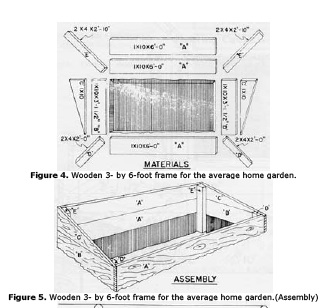
A dear friend of mine, Kim, asked me if I would explain how to build a coldframe while there is still time before planting time in early Spring. There are many designs available online to make a coldframe or hot bed. Here is the coldframe plan (as a pdf) that I basically used when building my coldframe with a few small exceptions. Now mine isn’t super refined as you can see in the photo but seems to be working! (Be sure you look at the pdf because there is a lot more information in it). As you look at the plan, it’s pretty self explanatory but here is what I did for the sides and the bottom inside.

one page of the coldframe plan

I used 2 inch x 10 inch lumber for the bottom section all around and another 2″x10″ section for the top side slanted pieces. Cutting the diagonal piece is easy, I drew a line from one corner across diagonally to the other corner and cut on the line then I used one piece for each side on top of the bottom piece. The only thing I did differently is I put one more 1 x 2 inch piece vertically in the middle on each side  (screwed in-see photo not diagram) and in the back to join the top and bottom piece together. I added a 2 x 4  (long) piece on the lid that I screwed in (not tightly) so I can raise and lower the lid and prop it up vertically (see the piece holding up the lid on the right side). In the photo you notice I taped BIG bubble wrap (not small bubbles) with duct tape on on the inside of the plexiglass lid to add extra insulation in the dead of winter. I also divided mine into two sections.This isn’t in the plan but in the left section I started with hardwire cloth on the bottom to keep out gophers. Then I added dirt and compost on top of the hardwire so I could plant in it but the soil isn’t heated. The right side has a garden heating cable. I attached the cable with twist ties to the hardwire cloth that is cut out to fit the bottom. Then I turned over the hardwire cloth so now it is on top and place it on the bottom. I did this so I can’t put a spade through the cables while digging around in the dirt when planting. Then I put dirt on top like the other side. So the right side is a contemporary hot house when I plug in the heating cable (which I haven’t done yet). I will use it to heat the soil to a temperature so the seeds will sprout. A traditional hot house has a dug out area where ‘hot’ green manure is placed into. Then on top of that is the dirt that you would put your plants or seeds in. The manure gives off heat as it composts, heating the soil just like the heating cable. Now I love the idea of the manure and doing it naturally but I don’t want to have to replace it every year so I chose the heating cable. I will use an extension cord to bring power from the house. I’m experimenting with the non-heated and heated side to see if it really makes a difference in early Spring. If it does, I’ll heat the left side too next year.

Last time I reported, the right side which I planted with transplants in November, is still doing well while the left side where I planted transplants in January all died in the -20°F we had one night (except the parsley which survived) which is interesting cause I don’t even like parsley! I think the left side all died while the right side didn’t because they did not have any time to grow roots while the right side planted in November did. Remember I haven’t heated the right side yet so I know that wasn’t a factor. Anyways I’m sure the plans will help you more than my description!

Edible Flowers List for 2011

2011 EDIBLE FLOWER LIST

titan sunflowers

There are many flowers that are edible and beautiful either in regular garden or vegetable garden. I like to put all kinds of flowers in the veggie garden—some pollinators, attractors, and edible. I like the entrance to the veggie garden beautiful.  Following is the list of edible flowers that will be planted or are already on the property:

Borage

Calendula-Tangerine

Chives

Lavender (in existing different area)

Marigold-Lemon Gem

Nasturtiums-Alaska Tip Top

Pansies

Violas

Roses (in different existing area)

Black Oil Seed sunflower (for the birds!)

Titan Sunflowers

Vigilante Consumers Unite Against Monsanto

Coundn’t sleep last night so I decided to write a letter petitioning the President after reading a Mother Earth News article on Monsanto. The decision by the USDA to fully deregulate Genetically Engineered alfalfa is a travesty to all Americans. Where are the watchkeepers who are suppose to look after the American people? You can read the article here at motherearthnews.com If you want you can let the White House know that organic food has a right to exist and thrive, and that you do not support the deregulation of GE alfalfa or any crop, by signing this petition. I feel so strongly about this that here is a copy of my letter:

Dear President Obama:
I know you’ll never read this but I felt compelled to sign this petition.

I am outraged that despite an opportunity to PROTECT our consumers and farmers, your Administration has decided to allow Monsanto GE crops to continue to grow unchecked in the marketplace. Does Monsanto have such a hold over your administration, that you can’t do the right thing? They don’t have to subject their GE products to any testing before releasing them into the fields and markets. You might as well have just dropped a nuclear bomb on our country because of the devastating effects this may have in future years on our crops and people. Even other countries are not allowing Monsanto’s GE seeds into their countries. Are they so much wiser than us? I guess Monsanto’s lobbyists don’t have much clout with them.

This damaging decision, under your leadership, to permit commercial planting of Monsanto’s genetically engineered Roundup Ready alfalfa was made at the expense of agricultural diversity, farmer livelihoods, and my ability to choose.

And I want to be able to choose-whether the foods I eat contain genetically engineered ingredients and I choose NOT to. Will you let your children eat GE food products that have not been proven to be safe and where no guidelines have been in place?  Yes, it’s true, alfalfa is not consumed by humans but it is consumed by the cows whose milk we drink and the steers that we eat.

When it comes to GE crops in America, I will vote for choice both at the grocery store and at the polls in 2012 and THAT’S A SHAME BECAUSE I VOTED FOR YOU.


Chart for Seed Starting and Transplanting

Our first frost free day this year is Sunday May 15, 2011.

For those of us who start seeds indoors, here is a seed starting calculator from Johnny’s Select Seeds that I found online. It is on the upper right corner of the site. Once you open it, plug in the first frost free date for your area and it generate all kinds of useful information in a chart form from when to plant seeds for all kinds of common vegetables to when to set out the transplants into the garden. Then you can print it out and refer back to it as needed. So it is good for those of us who grow from seed and ALSO good for those of us who prefer to put out transplants we buy from the nurseries.

Here is Santa Fe’s (ZONE 5) Seed Starting Chart that I generated using May 15 as a date. To see the whole chart click this pdf- Johnny’s Selected Seeds – Superior Seeds & Gardening Tools . PDFs don’t show up on this  blog only connections to them so you’ll have to click to see it.

HELPFUL HINT:  If you have something that is longer than a page that you want to save from the internet on your computer. Go to FILE and then PRINT as if you were going to print it . Somewhere on your menu screen it says PDF. Go to that and then go to SAVE AS PDF. Click yes and now you have your document saved in it’s entirety on your computer desktop. You can also print it as well. This has been a very useful tip for me ins aving long documents.

I actually make several different seed starting charts-one based on the actual frost free date and one where I ‘push’ the date a little earlier to see if I can plant my tomato transplants early.  For most other veggies I go by the frost free date but the tomatoes I try to sneak in the ground as early as possible because I grow some varieties that ripen very late in the season and I want them to ripen before the first frost. Two years ago I got my tomatoes in the ground on April 15th because we had such a mild Spring but last year some plants didn’t even make it in till June-so it depends on the year and what the weather is like in Spring… So play with this chart to see when to plant your seeds or transplant you plants and then watch the weather!

Growing Heirloom Tomatoes From Seeds

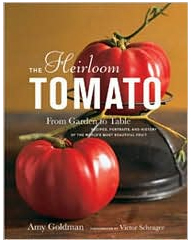
The Heirloom Tomato by Amy Goldman

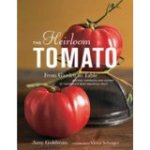
I just read an article online by Mother Earth News,  56 Heirloom Tomatoes Rated Excellent for Flavor‘ that lists tomatoes from Amy Goldman‘s book, ‘The Heirloom Tomato: from Garden to Table’ which I got last year.  The article lists and describes 56 excellent heirloom tomatoes from her book. After reading this excellent article, if you want to know more, her book- The Heirloom Tomato: from Garden to Tableis a must have for those of us who want to grow heirloom tomatoes from seeds and get some idea of what we are growing. It’s a beautiful book with wonderful photos of many heirloom tomatoes that Amy has rated for flavor, texture, color, type, history, where you can get the seeds, etc. I use it to help me decide which heirloom tomatoes to try each year now.

Interior of 'Gold Medal' Tomato

Last year, my favorite tomato from her book that I tried was Gold Medal, a bi-colored (red and yellow interior) tomato that took most of the season to ripen but was worth the wait. Check out the picture on the right to see the beautiful interior of these tomatoes. The plants were loaded and these beefstake type of tomatoes (about 1 lb) are firm, beautiful, and sweet with low acid.  I started these inside under a light box around the first week of March (10 weeks before our first frost free day-May 15) but I try to sneak my tomatoes out early (third week of April inside Wall of Waters) which is why I grow them 10 weeks instead of the customary 8 weeks for tomatoes. I will explain more on growing tomatoes from seeds in future posts as we get closer to planting time. You can buy the seeds at Baker Heirloom Seeds (rareseeds.com).

How to Tell the Germination Rate in Old Seeds

If you just can’t bear to throw out those old seeds, here’s a test to tell how viable your older seeds are. Take 10 seeds and soak for about 1 hour, then put them between damp paper towels and in a plastic ziplock baggie. Put in a warm spot (on top of your refrigerator or on a grow heating mat). Keep checking them daily and when you get them to germinate, count up how many actually did germinate. If you got 3, then you have a 30% germination rate, 5 would be a 50% germination rate and so forth. If you only get 1-2, throw them out, their not worth the trouble. So if you have a 100 seeds, then you can be pretty assured that around 30 would germinate (30% rate).

Winter Spinach!

Winter Spinach-Feb 1, 2011


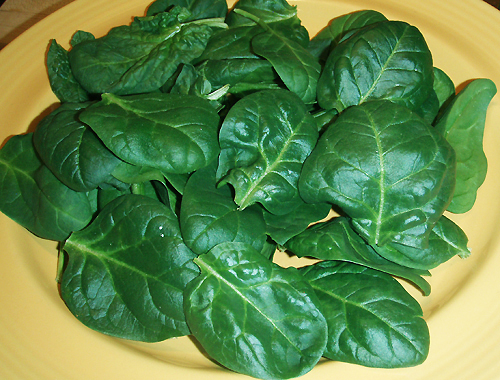
Just before we dipped down into -10 to -15°F for nightime lows during the first week of February here in Santa Fe, I picked all the spinach that had been growing up till then. I figured the winter garden greens growing in my coldframe (that is only protected by some bubble wrap on the lid-nothing protecting the 2 x 10 wood on the sides) would be toast but unbelieveably it survived! Not only survived but thrived! Now the chard is starting to really grow! I continue to be astonished by it all. I got 4 salads from the spinach and it was the best I ever had-I’m not just saying that either. I’ve never seen such deep green coloring for ANY spinach and it was so tender. Delicious! I only picked the bigger leaves so I’ll see if it regrows again. I’m starting to become a believer in this winter garden thing. Things grow a little slower in winter but hey, I’m a little slower in winter too.

OMG-what will it do in Spring?!

Keeping a Vegetable Gardening Journal for Each Year

Pumpkin Journal (left), and Vegetable Journal (right)

You might consider keeping a fruit and vegetable journal for 2011. I actually have 2-one for giant veggies and one for the regular veggies. In this you could put the date you start your seeds outdoors, in your greenhouse, and inside with information like temperature of soil, air, temperature inside what day you started, how long it took to germinate, what the weather was like during this time period, what varieties you started, how much water you supplied, if you presoaked any seeds, etc and then continue this journal throughout the season as to how the varieties do,  when they blossom or when you get your first fruit, what pests or diseases appeared and when, what you did to rectify the issues, what varieties were your favorites and why, etc. I bought a nice notebook (something you will want to keep-not just loose sheets of paper that get lost) that I have kept for the last 3 years and add to it for each new year. Every few days I put down what is happening in the garden in the evening when I have some time. I have found it invaluable in future years to look back (in winter) to help me determine what I would do the same and what I would change for the new season. You’ll be amazed at what you will read the next year.

Closeup of Vegetable Journal

I’ve been trying to tweak out my timetable for starting my seeds inside and have referred back to the journals. For instance, 2 years ago I started seeds inside in February and found for me that was too soon-just too cold and I had to replant a lot of seeds in March. Especially tomatoes-they don’t like cold nights (or days) and get stunted and the leaves turn purple. This is because of a phosphorus deficiency where it is not available to plants when the soil and air temp is too cold. Read my post, ‘Learn from my mistakes when starting tomatoes!’ on how to remedy this. Also for you greenhouse people read this forum from Organic Gardening. Luckily that year, I was able to sneak a lot of the ones I had restarted out in mid April with protection because of the mild winter we had even though the plants were smaller- but they were not leggy.

In contrast, last year I planted seeds inside under lights in early March (thinking I had waited long enough to start). But we had such a harsh cold spring that the plants (which looked great) had to stay inside too long and got too tall because I couldn’t put them out till much later (many plants in June) because of really cold nights (27° F till June 6th). How would I have remembered this and what I did differently without a journal. Every year is brings new challenges to us growers in Santa Fe, NM so having a journal that I can refer back to is helpful. Besides it’s fun..

Favorite Vegetable Gardening Books

Here are some of my favorite gardening book to read and reread for reference throughout the year for regular and giant vegetables. Just click on each book to see it larger. All of these can be found at amazon.com.

10 things to Do in February For the Garden

We may not be able to get out in our gardens right now but it is time to get busy with things to do to get ready for the garden. March will be seed starting time and there will be lots to do before for that. I will be elaborating on some of these items over the next few posts as I see there is moe info I can offer.

1. Go over your current seed supply. Organize it. Get rid of any seeds over 3 years old unless you froze them. Fresh seeds are essential for good germination. Older seeds have less success of germinating.

2. Decide which vegetables you want for this year and order any seeds you may need to get from seed catalogs.

3. Talk to your local nursery to see what they might be growing this year. I give a list to mine and they tell me what they are growing so I don’t duplicate. I prefer to let them do the growing, it’s just that I want to grow so many different varieties that they might not have so I have  to start some by seed.

4. Stock up on any fertilizers, amendments, compost, nutrients, mycorizzial, and biomicrobes you may need for veggies. i.e- tomatoes, giant pumpkins

5. Check your grow light boxes to make sure they work. Get new bulbs if necessary.

6. Check grow heating mats to make sure they work and get more if necessary. Last year I had one and ordered another as my seed growing expanded.

7. Purchase soil seed starting mix. I use Metro Mix 100 to start seeds. This stuff is great. The water doesn’t roll off the ‘dirt’ like many seed starting soils

8. Clean and sterilize any containers you plan to reuse for seed starting or transplanting seedlings. Use a 10% bleach to water ratio to rinse off the containers.

9. Buy any containers you may need for seed starting/transplanting. Most gardening stores sell up to 3″ in the peat pots. If you want a 4″ peat pot, go to Territorial Seeds. They are the only ones that have that size. I need them for my giant varieties cause they grow so fast. I also like the flats that have a raised lid. good for germination.

10. Read at least one good gardening book your interested in each month during the winter. I’m almost finished with ‘Four Season Gardening’ by Eric Coleman and just ordered ‘The Compost Tea Brewing Manual’ by Elaine R. Ingham.

Brutal Cold Weather Hard on Barn Animals

The weather here in Santa Fe has been brutal, no make that VICIOUS with it’s extreme cold weather this last few days. We’ve had -10 to -15 ° F weather here at night with the daytime temperatures only getting between 6° to 10° F  for 4 days and that doesn’t include the wind chill. Coldest weather in decades.

My poor barn animals have not been happy. There is little way for them to recover from the cold nights with the equally cold daytime temperatures. We’ve definitely been in a survival mode here at the little farm.

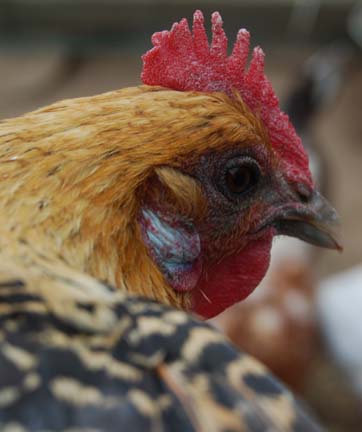
My Belgium Golden Campine, 'Chimay'

I lost one chicken to the cold even with my heat lamps on inside their coop.  It was a Belgium Golden Campine, named ‘Chimay’-I will miss her and her little chirps. She never did very well with cold weather much less this extreme cold. The chicken water heater wasn’t working very well so I took them hot water to melt it yesterday. I have another new water heater for them that I took down today and installed it.

The goats have a big water trough outside in the corral that is heated (and working) and I have a little heated bucket inside in their stall at night. The heated bucket  decided not to work and when I went down yesterday morning at -15°, it was frozen solid so I brought it up to the house to thaw and it evidently had cracked but I couldn’t see it through the ice. So it leaked all the water all over the living room yesterday after it melted while I was at work. Great.. I finally found a feed store with only 2 heated buckets left and got one of them.  All the other feed stores were sold out. Phew!

This slideshow requires JavaScript.

I’ve been making both the goats and chickens oatmeal (with raisins!) everyday and they have enjoyed a hot meal. I give little blobs of peanut butter (high energy food) on a popsicle stick to my goats to help keep their energy going and grain and of course LOTS of hay. The goats are amazingly hardy as their barn is not heated. They have a big stall with about a foot of straw on the floor and yesterday we made smaller areas with straw bales inside the stall for insulation  and protection. They are out of the wind and wet but the temperature is still bad (but suppose to improve). Today the sun is out and no wind and they are out sunning themselves, I’m sure trying to suck up as much heat as they can get from the sun. Ahh. Life on a mini farm.. Finally it is starting to warm up 34° high/14° F low tomorrow-if you can call that warm..

Well, one good thing-Phil didn’t see his shadow so hopefully we will have an early Spring.