GIANT PUMPKIN/WINTER SQUASH-How to Tell Which Direction a Vining Squash Will Grow

Have you ever planted winter squash and it grew in a direction you didn’t want? Here is a good tip for how to tell which direction a vining winter squash (versus a bush variety) will grow. I will use my giant pumpkin as an example but any winter squash that is a vining squash will act the same.

Let’s say you plant some vining winter squash next to a wall or on the edge of a garden bed and you need it grow away from the wall not into it or into your squash bed not out of it (good luck on that one!) When the plant puts out the first two leaves as I have described in previous posts, these are called the cotyledon leaves (baby leaves) and don’t look like any of the other leaves it will grow afterward. All leaves after the cotyledon leaves are called true leaves.

put mark on side of pot opposite of first true leaf

Sooo pay attention to that FIRST TRUE LEAF.  The plant will GROW IN THE OPPOSITE DIRECTION FROM THE FIRST TRUE LEAF. If I’m growing them inside for a head start, it is easy to mark the container as you will not remember which one was the first leaf (trust me!) when the second one appears. I just take a marker and mark the opposite side of the pot so I know when I transplant it into the ground which direction I orientate it. If I grow directly into the soil, after the first true leaf appears, I gently dig up a big amount around it and gently lift it and the dirt so as not to disturb the new roots and rotate it in the direction I want it to grow. For those who are growing their winter or summer squash seed in the ground, it is too early. Wait till May 15th (our first frost free date) to plant directly into the ground when the soil and weather are hopefully warmer.

Mycorrhizal products here in Santa Fe

Someone just wrote me if I knew a source for Mycorrhizal (also called Mycorrhizae) products here in Santa Fe. So I thought I’d respond in a post in more detail as well as reply to him in the comment sections.

Mycorrhizal is a fungi that help protects plants from many diseases and drought like conditions. It forms a symbiotic relationship with the roots, making water and soil mineral nutrients more available to the roots of a plant while the plant feeds the mycorrhizae sugars it produces. It is found in nature in most UNDISTURBED soils. Gardens do not have undisturbed soil- we work the soil to various degrees adding amendments and tilling soil.

There are two main types of Mycorrhizal.

ECTOMycorrhizal works on more woody crops like trees. I don’t use it myself on my trees.

ENDOmycorrhizal works for most (90%) but not all vegetable crops (some crops do not respond to any Mycorrhizal like Brassica crops, spinach and beet crops). I used myco products for both my giant pumpkins and tomatoes in previous years but will also try it on all my curcubit crops this year as well as they seem to get the most diseases and the prices seem to be coming down on mycorrhizal products as it starts to become mainstream.

I just saw that Santa Fe Greenhouse has some Mycorizzial products. I bought ‘BUSHDOCTOR MICROBE BREW’ (by Foxfarm products) from SFGH and will try it this year. It is a liquid. It says on the directions to use 2 tsp/gal of water every 2 weeks as a drench. I think a bottle would last the whole gardening season for most people. I can’t remember what it cost (I bought it a month ago), but didn’t seem like it was exorbitant. I use to have to order myco on the internet so I’m anxious to see how it works. The Microbe Brew also has a bunch of soil bacteria and microbes in it besides the Mycorrhizal that will be good for the soil and plants as well. All these things help the plants either protect or fight off diseases-all organically.

2011 Vegetable Lineup

I finished my vegetable list for my main garden. I will grow many heirloom tomatoes, Fairy eggplants, Shishito peppers, Costata Romanesco zucchini, Galeux d’ Eyesines and Red Warty Thing winter squash, Rattlesnake pole beans, and several different cucumbers and some greens. I will have to expand the garden one more time but not before the season starts but sometime this summer. This is so I can get my tomatoes on a 3 year rotation. I’m ok for this year but need a new section for them by next year. I hopefully will be at our Farmers Market this coming year again. We have to apply each year and they have a jury system to get in as it is so popular and has grown so much. Looking forward to a new growing season!

2011 TOMATOES
HEIRLOOMS
PLUM STYLE
(2) Goldsman Italian American-red-BH
(2) San Marzano-red plum/80 days/AFN
BI-COLOR
(4) Striped German-bicolor-SFGH
(2) Gold Medal-bicolor-75-80 days-BH
(1)Ananas Noir
BLACK OR PURPLE
(2) Paul Robeson-black/75-85 days-AFN
(2) Cherokee Purple/80 days-AFN
RED
(1) Pantano Romanesco-red/70-80 days-BH,TOMFEST
(2) Costoluto Genovese-red/78 daysTOMGROWERS
(2) Goldsman Italian American-red-BH
CHERRY TOMATOES
(2) Black Cherry-black/75 days-AFN
(1) Green Grape-green/
(1) yellow/62 days-TOT TOM
HYBRIDS-I grow a few hybrids
(2) Lemon Boy-AFN
(3) Park’s Beefy Boy-red-70 days-AFB

2011 VEGGIE LIST
BEANS-Rattlesnake (remarkably favored pole bean)
PEPPER-Shishito (Japanese non hot pepper)
SUMMER SQUASH-ZUCCHINI-Costata Romanesco (best tasting zuke around)
WINTER SQUASH-Galeux d’ Eyesines and Red Warty Thing (that’s what it’s called!)
EGGPLANT-Fairy (best sweet, no bitter taste and soft skin eggplant I’ve tasted)
CUCUMBERS-Parisian, De Bourbonne, Boothsby Blonde, Poona Kera, Armenian and Parade? I grow cukes for either taste or which variety is best for different types of pickles
CORN-not this year (I’ll get it from our Farmers Market)
LETTUCES-From COOK’S GARDEN-Provencal Mix, Mesclun Mix, Buttercrunch, Yugoslavian Red, Santoro Lettuce, and Little Gem
SPINACH-From COOK’S GARDEN-Bloomsdale
CARROTS-Purple Haze and Scarlet Nantes
ARUGULA-Apollo

2011 HERBS-Following is a list of herbs that will be planted or exist on the property
Basil-new
Lime Basil-new
Thai Basil-new
Oregano-exists
Thyme-exists
Lemon Thyme-exists
Chives-exists
Dill-usually self seeds
Marjoram-new
Mint-exists
Sage-exists
Lavender-exists

Veggie Tip-What to look at in seed catalogs

2011 Baker Heirloom Seeds Catalog

Why order from seed catalogs vs getting seeds or plants from the local nurseries? Variety. We have more choices to pick from. Now don’t get me wrong – I buy many of my vegetable plants from our local nurseries as well. I don’t start all mine from seeds but I like to grow some new varieties every year and many of those aren’t sold locally. Besides I really like going over the catalogs. What should we look at when ordering from our seed catalogs? Here is some information that catalogs give to help us make our decisions in choosing which variety to buy.

1. Quite often catalogs will list the particular needs of the variety-i.e. needs cool moist soil, tolerates heat, etc. This is important information to consider because of our cold springs, hot summers and what location we plant them at our houses.

2. They list whether it is a hybrid or heirloom variety. I like to grow mostly heirloom varieties so I look for this.

3. We get specific information on each variety-size, weight, color, flavor,  etc and often the history of where a particular seed came from. I especially find the history interesting. I like knowing where they originate from.

How many days to harvest-this tomato was 72 days

4. Probably the most important thing to consider with each variety is how many ‘days’. This means how many days to harvest. Here in Santa Fe, we have a short growing season. Our last frost is the average date we no longer experience freezing temperatures which is May 15th and the first average frost date is around Oct. 10. Last year was a really cold, windy spring with night time temperatures still at 27° on June 6th. We basically went from Winter to Summer. Every year offers new challenges for us weather wise and the weather has everything to do with how many days to harvest depending on when we can put the transplants or seeds in the soil.


So how many days to harvest? Some vegetables such as summer squash, cucumbers, lettuce, etc don’t take many days to harvest but some vegetables need a longer growing season such as winter squash, watermelon, and tomatoes so buy varieties that won’t go into October to ripen. Let’s take tomatoes for an example.  If we choose a tomato seed that says 72 days, we’ll probably get tomatoes but if we choose one that says 95 days to harvest, the odds are we won’t get any ripe ones before we get that first frost in fall. In Santa Fe, we should be looking to grow varieties that ripen in 60-80 days. Tomatoes come in early, mid and late season varieties so keep that in mind. Early season goes from 52-60 days, midseason goes from 60-75 days and late season goes from around 80-100 days. You certainly can try some late season varieties (I do) but pick more in the early-mid season range especially if you are only planting  a few. Also with tomatoes that ’80 days to harvest or 80 days’ means from transplanting plants outdoors not planting seeds outside. I’ve had people come up to me and complain they only have green tomatoes in October and when I ask what variety, it usually is one of the longer growing ones so pay attention to that day information in the catalogs because you can usually find some varieties with shorter days till harvest in every variety out there.

Veggies I will and won’t grow this year and why in 2011

Here is my veggie list from last year. I thought it important to go through it and tell you what I will and won’t grow again and why before I forget. Look at my SEED LIST PAGE next week (as it could always change) to see exactly what I am growing in 2011

TOMATO-HEIRLOOMS
San Marzano-red plum tomato-YES-I will try again even though ALL 4 died. I hear too many good things about this tomato

Striped German-bicolor tomato-YES-I WILL grow it again for my third straight year-One of my favorites even though it takes a little longer to develop

Black CherryYES– I will grow this for my third straight year-another favorite

Paul Robeson-black tomato-YES-A Farmers Market favorite although I prefer others.

Cherokee Purple-purple tomato-NO-I missed this one last year but it is wonderful. As good as Brandywine.

Cherokee ChocolateYES-Just as good as Cherokee purple but a little brownish color. I will choose between one of the Cherokees due to space.

Prudens Purple-purple tomato-NO-not as good as the Cherokees nor as prolific but planted it because it was suppose to ripen sooner-not true for me last year.

Black Krim-black tomato-NO I didn’t do this one last year but had it in the lineup because it is only 69 days to ripen. Never had good luck in previous years.

Pantano Romanesco-red classic tomato-YES-wonderful tomato from Italy

Great WhiteNO– novelty-lost both plants

Costoluto Genovese-red tomato-YES fantastic looking-fluted and great taste

Goldsman Italian American-large red plum-YES even though I lost 3 out of 4, and it took forever to ripen, it makes the BEST tasting tomato sauce I’ve ever made

Aunt Ruby’s German GreenNO-Novelty-lost 2 plants

Gold Medal-bicolor tomato-MAYBE-took longer to ripen than Striped German but great taste

TOMATOES-HYBRID-I grow a few hybrids
Lemon BoyMAYBE-didn’t get any in last year but it is a sweet terrific tomato

Park’s Beefy Boy-red tomato-70 days-YES-only 70 days and great taste

Sun Sugar-yellow cherry-NO-kinda like a lot of yellow cherry tomatoes but super sweet.Want to try something different.

Original Goliath-red tomato-NO– nice size, early ripener but can’t remember the flavor

TOMATO-COMPETITION (biggest)
Big Zac-red/80 days-YES-takes the longest to ripen but taste is great and chance to grow a huge one.

2010 VEGGIE LIST
BEANS-Rattlesnake-YES-great tasting pole bean over my arbor and Tavera-NO average tasting bush bean

PEPPER-Shishito-YES-I love these-not hot but full of flavor

SUMMER SQUASH-ZUCCHINI-Costata Romanesco –YES wonderful taste and Lungo Bianco-NO-it was good and more prolific than Romanesco but not as flavorful. Sticking to one kind this year.

SUMMER SQUASH-SCALLOPED-Yellow Custard and Bennings Green Tint-NO on both. I’m only growing Costata Romanesco

WINTER SQUASH-Marina di ChioggiaNO-powdery mildew problem and not many squashes and Galeux d’EyesinesYES-prolific-great taste-3rd yr.

EGGPLANT-Little Fairy-YES-prolific tender skin and great taste, third year in a row. Thai Yellow EggNO-took all season to develop and then froze at first frost. What a disappointment.

CUCUMBERS-Parisian, Boothsby Blonde, Poona Kera, and ParadeYES TO ALL-Third straight season

CORN-not sure if I’m growing. Might just pick it up at Farmers Market

LETTUCES-from COOK’S GARDEN-Provencal Mix, Mesclun Mix, Buttercrunch, Yugoslavian Red, Santoro Lettuce, and Little Gem-YES

SPINACH-from COOK’S GARDEN-Indian Summer and Double Choice-NO-will look for bigger leaf variety.Too puny.

CARROTS-from COOK’S GARDEN-Kaleidoscope (mix of red, purple, orange and yellow)-NO want only orange and purple ones this year.

BROCCOLI-Brocolli Romanesco-NOtakes too long to develop.

ARUGULA-ApolloYES

BOK CHOY-Extra Dwarf Pak Choy-YES

CHARD-5 Color SilverbeetYES TO ANY CHARD

PEAS-DWARF SUGAR, OREGON SPRING IIYES

2010 GIANT PUMPKINS
895 Grande (1016 Daletas x 1385 Jutras)-YES-grew the 2010 NM State Record Pumpkin-421 lbs + 3 other new ones

GIANT MARROW (like a giant Zucchini)
206.5 Wursten 09YESdidn’t grow last year but will this year

75.4 Wursten 09YESgrew the 2010 NM State Record-43 lbs

GIANT TOMATOES
7.18 N. Harp 09 (5.58 Timm x open) YESgrew a 2 lb 11 oz tomato in 2010

5.416 N. Harp 09 (5.58 Harp x openYES

Big Zac (from Totally Tomato)-YES

GIANT SUNFLOWERS
TitansYES

Saving Seeds-still time to collect them

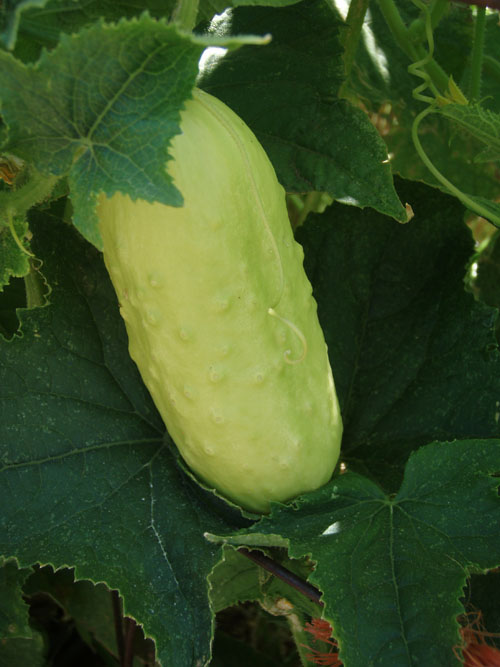
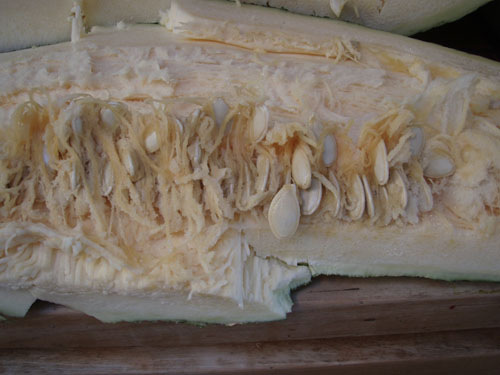
giant marrow opened up exposing seeds

I’ve been collecting some of the seeds that I want to replant for next year-rattlesnake beans, giant marrow, Japonica corn, giant pumpkin, scarlet runner beans, sunflower seeds, tomato seed from my 2.11oz tomato, cosmos, and zinnas. Ones I won’t take are cucumbers, most tomatoes, zucchini, winter squash, and peppers as I grew several of the same varieties and they could of crossed and I might loose the original strain.

giant marrow seeds drying

When saving big seeds like squashes or pumpkins, be sure to thoroughly DRY the seeds before putting them in a zip-loc baggie or jar. Any hint of moisture will ruin them. I just put the cleaned, wet seeds on a piece of wax paper on a cookie sheet in a dry sunny place until dry. That way they will release from the wax paper after they are dry. I always like collecting seeds every year. It’s fun when you plant them the following year. It’s also fun when you don’t have to buy a packet of seeds for $2.49 with 20 seeds in them when you can collect the same seed and get 100’s more.  I have a friend (Fran) who walks and collects the wild flower seeds and broadcasts them on her property and the her natural garden this year looked awesome. (Did I tell you that Fran?!) Awesome!

How to control squash bugs

Squash bug adult-photo courtesy University of Minnesota

Well it’s that time of year-Squash bugs Ughh! You can control squash bugs in your organic garden. Here are some ORGANIC things you can do to deter squash bugs:

-Plant a crop late in the season if possible. Many areas of the country only have one generation of squash bugs and if you plant later you may miss them. If you live in the south where they have 2 generations, read on..

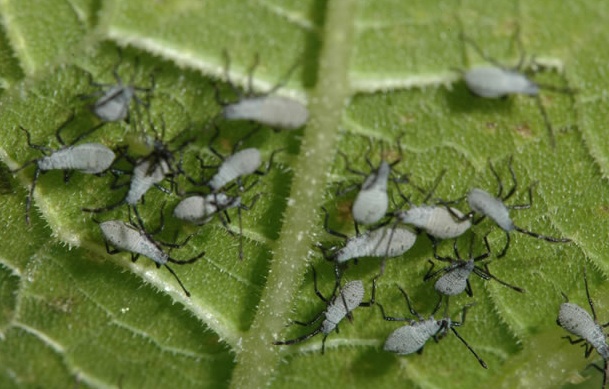
squash bug nymphs-photo courtesy University of Minnesota

Cover your plants with row cover to keep them off. This works beautifully but you may have to piece some row covers together to cover some of the larger plants. I use clothes pins to clip them together.

-Use Neem. It is an organic pesticide (and an added benefit is a fungicide). It must be sprayed very early before the bees come out or at dusk when they aren’t around as it won’t hurt them if it is not a direct hit as they only visit the flowers and it is a contact spray. I think it mostly helps deter the squash bug.

squash bug eggs

-Inspection, hand picking and kill the little buggars. (now you know how strongly I feel about them) By far the most labor intensive but very effective. I hate to handle squash bugs (or any bug-I’m squeamish) so I use gloves, a bucket of soapy water (it drowns them) and inspect each leaf underneath to look for nymphs, eggs, or adults. The adults I throw in the soapy water and if a leaf is really loaded with nymphs, I cut it off and throw it in the soapy water otherwise I just squish them. For the eggs  (they are a cluster of rust colored eggs attached to the underneath side of the leaves) I usually just tear off  or cut out that portion of the leaf (it won’t hurt it) and throw them into the soapy water. The key to keeping it under control, is to catch them before they multiply too much. I looked up the life cycle online of the squash but and it goes from egg to nymph in 7-10 days so if you get out there every 7 days you will catch them before they get out of control and multiply. Most people wait too late. Get out there and look at your plants!

-Companion planting. I think it was in ‘Organic Gardening Magazine that I read under ‘letter to the editors’, that a lady wrote in to say that you could deter squash bugs on pumpkins, winter squash, summer squash and marrows with diluted/strained onion juice. Evidently just grind one or two up, put it in gallon of water and strain the onions out so your sprayer doesn’t clog. Well she went on to write that doing that was too much work and she plants onions bulbs with her squash every year and hasn’t seen a squash bug since. Well I did the same for my summer squashes, but not for my winter squashes. There have been no squash bugs on the summer squash but I found one on the marrow which means there will be more. I told one of friends that owns a garden nursery about the onions and he said it was too late to plant onions but he was going to throw some chopped onions out in his patch. I’m doing the same today for the marrow and winter squash and will let you know what happens! It can’t hurt and maybe it’ll work!

winter squash and corn

Last year I tried some squash (winter) in with my corn and it didn’t do very well.  The squash was green enough but seem to grow slower in the shade of the corn and never produced one squash. So this year I’m going to plant them close-but in 2 separate beds positioned so the corn won’t shade it.

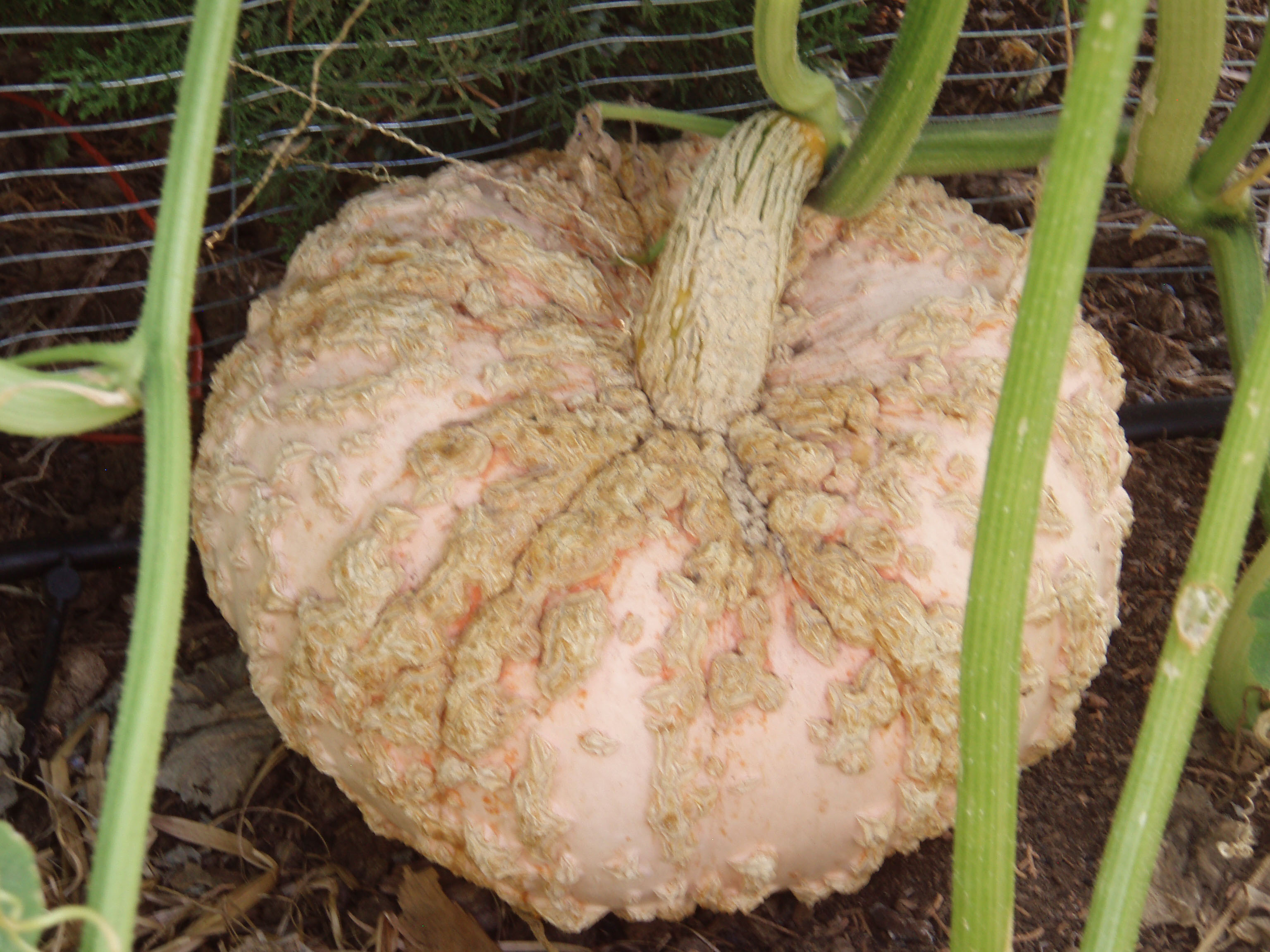
Last year's winter squash-Galeux de Eyesines

This year for winter squash, I’m going to plant Marina di Chioga (an Italian heirloom and Galeux de’ Eyesines (a french heirloom that gets bumps that look like warts-the more bumps, the higher the sugar content!) and let them sprawl. They can take over where the giant pumpkins were last year since I am moving the pumpkin patch to a new bigger area this year.