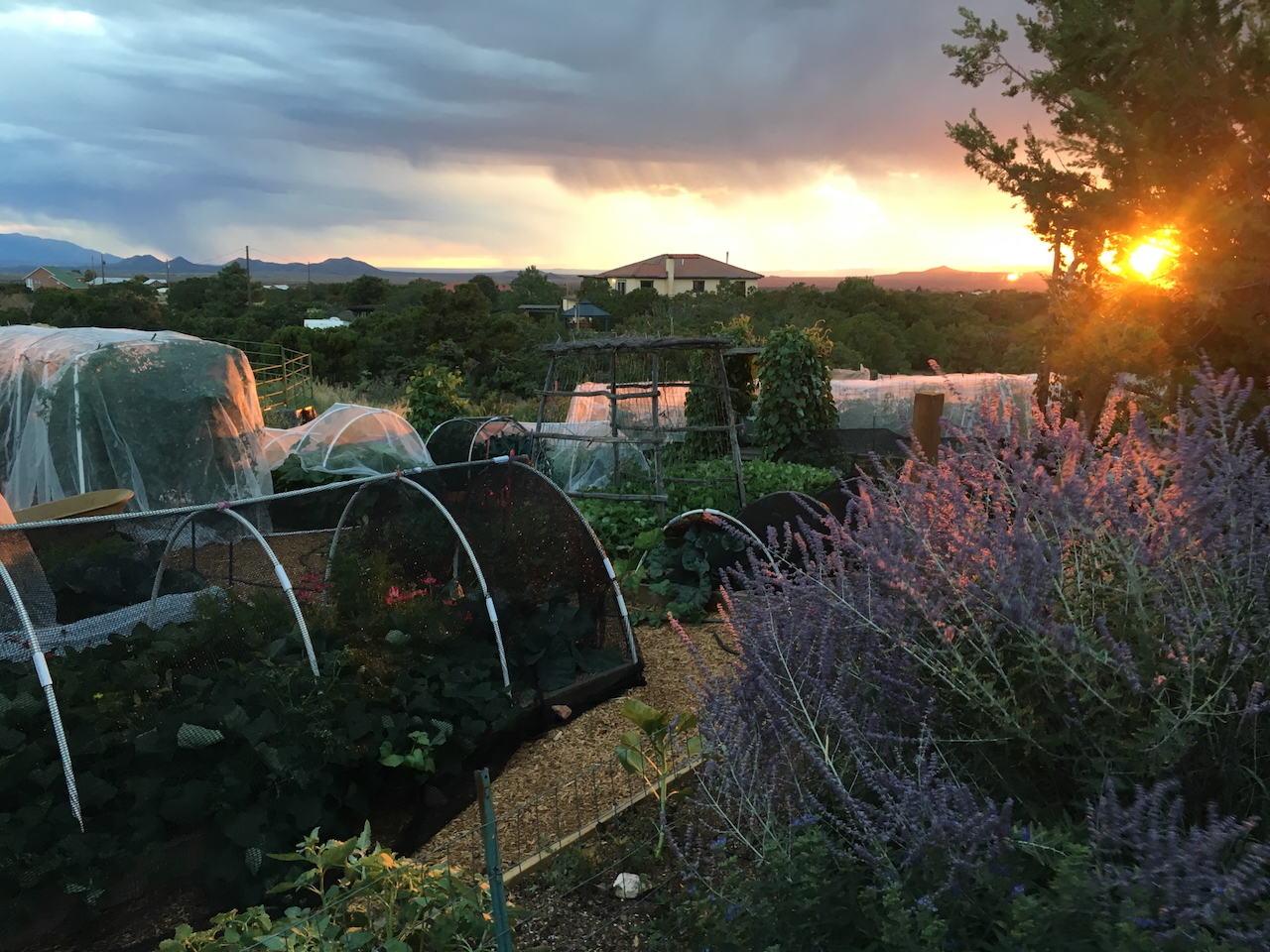
End of 2025-veggie garden review

We tore out all but the chard and perennial fruit plants in the garden. I can hardly believe the Argentata chard is still doing good as of Dec 9th in the garden what with the nighttime temps getting down into the mid-high 20’s and only the rainwater now. It has green leaves with white ribs that are very tender. All the other chard are gone now.

But now on with the review!

I got a late start in sowing seeds this year due to us being in Europe in spring. When we planted seeds inside on March 28, it was a full 2-3 weeks later than I normally start seeds so this affected the harvest. This year in 2026, I’m going o drop some tomatoes and grow some others alongside my favorites. It’s fun to experiment and perhaps I’ll find some new winners in 2026.


PEPPERS
I thought I might not get peppers this year due to the fact I normally start pepper seeds inside in early March as it take 8-10 weeks to be big enough to plant outside by the time the frosts are gone. I wasn’t too far off as we had a less than spectacular pepper season with most producing only a few peppers before the season ended. But one outstanding variety, Sweet Calabrian Caviar pepper produced exceptionally well and saved the pepper season. Next year we are planning to be here during seed starting season. So, Poblano, Lava Red, Jimmy Nardello, and three other pepper varieties only got a few peppers. Over the years, I’ve come to like sweet peppers more than hot. I like to grill or saute them. Because they’ve done well in previous years, YES to all for next year.

TOMATOES
Surprisingly we did pretty well with most of the tomatoes this year despite the late start. The plants didn’t get as tall (4+’) but most produced well. We planted them outside on May 28 due to some late freezes and they were only 4-5 inches when they went in the ground. 8 yes and 5 no. Read on for details.

CHERRY TOMATOES
Super Sweet 100-red cherry tomato-very prolific and very sweet-good continuous harvest throughout the season. YES for next year.

Black Cherry-dark purple cherry tomato-very prolific and very sweet, smoky flavor-good continuous harvest throughout the season. YES for next year.

Sungold-yellow cherry tomato-very small, disappointing, average harvest. Fruit were too small for me although the flavor is always very sweet. Looking for a larger yellow cherry tomato for 2026. NO for next year

EARLY SEASON TOMATOES
Large Barred Boar-I’ve always like the flavor of this mahogany colored with green metallic stripes tomato BUT it does not have a long shelf life once picked. You must eat them within a few days or they turn soft-too soft. For 2026, I’m  looking for a dark tomato with a longer shelf life and great flavor. Let me know if you know one. NO for next year.

Sunny Goliath-yellow medium size tomato-my second year growing them. Nice tomato but not very prolific both years. NO for next year.

Goliath Pio-red medium size tomato with little to no cracks-Great old fashioned flavor with balance of sweet-acid. Always a star, My biggest producer this year. It did not disappoint this year-good for canning or fresh eating.YES for next year.

MID SEASON TOMATOES
Black Sea Man-black/purplish-75 days to harvest
-med-small size tomato with good flavor and good  production.Going to try other black tomatoes this coming year. NO for next year.

Cherokee Carbon-Purple with green shoulders-75 days to harvest
-med size-tomato with good flavor and average production. Unusual this year but perhaps because they got in so late, they didn’t produce as well as previous years but it is a winner. YES for next year.

Cherokee Purple-purple color-75 days to harvest
-Perhaps because they got in so late, they didn’t produce as well as previous years but it is also always a winner. YES for next year.

Pantano Romanesco-Red-70-75 days to harvest.Red medium size tomato-old fashioned flavor but didn’t produce that well. I had others that did much better. NO for next year.

Jaune Flamme-orange-70 days to harvest
-Can’t say enough good things about this one. Outstanding flavor, very prolific. YES for next year.

LATE SEASON TOMATOES

Lucky Cross-yellow with pink blush inside-74 days to harvest-Every year either Lucky Cross or Virginia Sweet do well. I like both but Lucky Cross didn’t do as well this year so NO for next year.

Paul Robeson-black/brick color-75 days to harvest-exceptional flavor-wins all kinds of tomato tasting awards. YES for next year.

Big Zac-red-80 days to harvest
. Not very productive this year and fruit were a little smaller than the large fruit they truly are. Excellent old-fashioned flavor. NO for next year.

Virginia Sweet-yellow with red blush inside-80 days to harvest. Did fantastic this year, producing many very large-1.5 to 2 lb tomatoes. A real treat. YES for next year.
_____________________________________________

CUCUMBERS-A bumper crop of 2 of the 3 cucumber varieties I grew this year. So much so, I got tired of making pickles and pickle relish. We couldn’t eat them or can them fast enough.

Poona Kheera-Our favorite fresh eating cuke. A yellow cuke that did exceptional well-sweet melon flavor that we use for fresh eating only. Good producer. Non bitter. YES for next year.

Boothbys Blonde-Another great yellow cuke-I use this variety for making bread and butter pickles and pickle relish. Good producer this year. YES for next year.

Salt and Pepper-new variety for me this year. Not a good producer and small. NO for next year.

Parisian-I use this variety for making cornichon pickles but I still have many jars I canned from last year, so I didn’t grow any this season but I love this one, especially if you like Cornichons, which mean tiny tart pickles.


RADISHES-Two new varieties this year and one I always grow
Pusa Gulabi and Pusa Jamuni-I loved these two and I don’t love radishes so that says a lot. Both were great flavor and look beautiful. They are not round but long. Seeds from Baker Heirloom. YES for next year.

Watermelon radish-I love this variety too but it takes a little longer till harvest. YES for next year.


PEAS
Super Sweet Sugar Snap pea- I normally try to grow these in a pot in SPRING- I say ‘try’ as the plants and harvest are usually small but this year I grew them in the garden in the FALL in a raised bed. What a difference that made! Super big 5′ plants and great producer! YES for next year.


CAULIFLOWER
I grew both orange and white varieties and both did well in the spring/summer. In the previous year, we had a hot summer and I tried a purple cauliflower that didn’t do well in the heat, so I stuck with the other two this year not knowing if we would have a hot summer.
Freedom-white variety-love this. YES for next year.

Cheddar-orange variety-love this. YES for next year.


CHARD
Argentata-a big winner with the white stalks soft like butter when cooked. Very cold and heat tolerant.
YES for next year.

Orange and Ruby varieties-both grew great and looked good together when cooked. YES for next year.


CARROTS
-All carrots did well this year.
Dragon Purple
-Purple outside with orange inside. YES for next year.

Atomic Red-Red outside and orange inside. YES for next year.

Black Nebula-Black inside and out. Makes the most beautiful, tasty purple soup. YES for next year.

Scarlet Nantes-standard orange inside and outside but big! YES for next year.


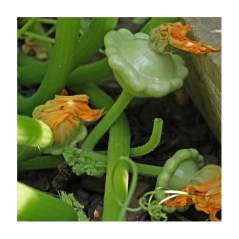
SQUASH-I grew a yellow, bumpy summer squash called Friulana-looks kind of yellow green in this photo and Butternut winter squash-both did well. YES for next year.


BEETS
Cylindra
-deep red cylinder shaped- grows upright out of soil-easy to pull. Cuts into nice even disks-nice flavor. YES for next year.

Badger Flame-beautiful reddish ,orange-yellow outside with yellow inside. Exceptional flavor. YES for next year.

Chiogga-I can’t resist these red outside with concentric circles of red/white inside-like a bullseye.YES for next year.


LETTUCES– I grow many varieties under 30% row cover this year outside starting in
early spring. All did well under shade.
Santoro–butterhead
-My favorite lettuce-YES for next year.

Yugoslavian Red-butterhead-good cold tolerant-YES for next year.

Salanova-butterhead-red and green-good cold tolerant-YES for next year.

Oakleaf-good heat tolerant-YES for next year.


NOTE:Fruits and flowers will be in separate posts coming up.


Squash tips-dealing with squash vine borers and squash bugs

This is an updated and expanded post on squash bugs that I posted in 2011.

It’s squash season! I get a lot of questions about how to control squash bugs and squash vine borers. They are a veggie gardener’s nemesis. I have read and tried several things and think a few help. Here’s a list of things you might try to control squash bugs and squash vine borers.

Learn to identify squash vine borer and squash bugs


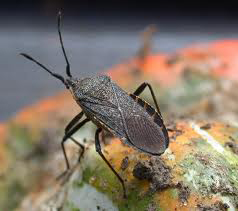
squash bug


SQUASH BUGS
Squash bugs attack both summer and winter squash. They are here now. They pierce it and suck out the juices. If left unchecked, they can take over and destroy the plant.  The key to control is catching them right away. Here are some things to try:


-Learn to identify male flowers vs female flowers on squash plants so you know when to remove row covers.

-Plant squash that is somewhat resistant to squash bugs. I’ve grown many varieties of squash but have found some seem to resist squash bugs while others attract them.

Summer squash-I grow the variety Friulana, a yellow zucchini style squash, which don’t seem to attract as many squash bugs.

Winter squash-I grow Butternuts which don’t seem to attract as many squash bugs

-Completely cover plants with med weight row cover till the female flowers appear, then remove the row cover so bees can pollinate them. Still check your plants weekly.

Squash bugs life cycle from egg to nymph is 7-10 days so keep ahead of them by inspecting every week BEFORE they hatch.

-Hand pick every 7 days and remove eggs, nymphs and adults from leaves. Put in bucket of soapy water. Then cover plants again with row cover if no flowers.

-Rotate squash into different beds every year. They may not find you. First time squash growers generally get the first year free of squash bugs. Afterward the bugs find you and the battle is on.

Plant late-like the first couple of weeks of July-you may miss their lifecycle.

Spray with Azamax which contains a Neem product that has anti-feeding properties. It helps somewhat.


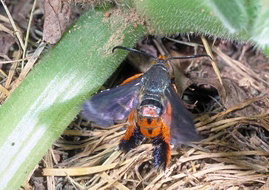
squash vine borer

SQUASH VINE BORER
It comes in July. It bores into the main stem around the base of the plant to lay its eggs which then turn into larvae inside the vine and eat it from the inside. Look for sawdust like  particles around base if plant suddenly wilts. You can try to slit the vine parallel  (not across it) and dig out the grub and then tape the wound shut. It may survive.

Here are some things to try:
Once again cover them with row cover until pollination needs to happen.

Wrap aluminum foil around the base of the vine for about 12 inches to keep them from attacking the base of the vine.

Also bury the vine with dirt or mud covering the main vine.

I find keeping squash plants covered with row cover really helps in that I don’t have to battle the bugs till the flowers appear.

Butternut winter squash

Here is a winter squash I really like-Butternut squash. I’ve mentioned it before but it’s worth repeating.

Butternut squash doesn’t usually attract squash bugs. I’ve grown the very sweet Waltham Butternut, an Italian variety called Rogosa Violina and a huge variety called Tahitian Butternut-all don’t seem to attract squash bugs, at least in my garden and all have the wonderful flavor we associate with butternut squash.

It also doesn’t attract squash vine borers. The stems are solid and the squash vine borer like to lay it’s eggs in hollow stem varieties of both winter and summer squash. 100 days to harvest so if you plant right now, you may get to harvest as it will be ready right at the end of our season.

Squash Bug Recipe

Here’s a recipe to try in your garden to discourage squash bugs from NM Farmer’s Market Association. Let us know in the comment section if it works for you.

Mix together and spray on leaves:

  • 1 gallon water
  • 1/4 cup molasses
  • 1/4 cup neem oil
  • 1 teaspoon dish soap

2019 Garden pics!

Here are some pics of my garden this year. Now that we are in September, I wanted to capture it in all it’s glory before it’s gone. I’ve worked hard tweaking out the infrastructure with new framed beds and weed barriers and wood chips in the paths this year. Having retired from the Santa Fe Farmers Market two seasons ago has allowed me to do more in the garden. I also added some perennial fruit like raspberries and blackberries since I don’t need space for 125 tomato plants anymore! By mid-October or sooner, it will be toast with the first frost so might as well enjoy it while I have it. I have an abundance of flowers this year that I grew for my edible flower class and besides being beautiful and edible, they attract many beneficial insects and pollinators. Hope you enjoy it as much as I do!

Butternut winter squash-doesn’t attract squash bugs

Here is a winter squash that doesn’t attract squash bugs. I’ve grown the very sweet Waltham Butternut, an Italian variety called Rogosa Violina and this year a variety called Tahitian Butternut-all don’t seem to attract squash bugs, at least in my garden. And I grew these because I had read they don’t attract them.

In the last post, I talked about Rugosa Friulana, a summer squash that doesn’t attract squash bugs, so now we have both a winter and summer squash that don’t attract these pesky bugs. Try these two types next year for more carefree squash!

Harlequin Bug Control

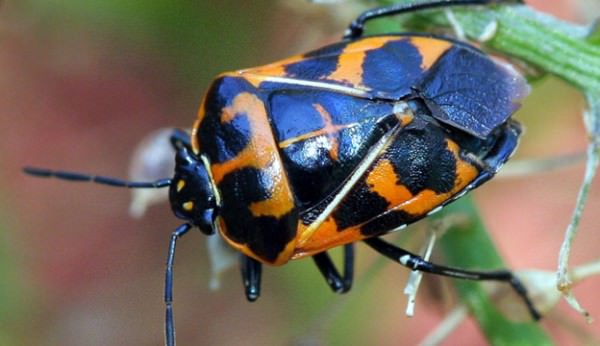
Harlequin bug. Photo courtesy Hobby Farms

I’ve got a lot of questions from people about an orange and black bug attacking their food crops. It’s called a Harlequin bug and it is a bad one for our vegetable gardens. You need to hand-pick them off right away as they can decimate your  vegetable garden. They particularly like crops like cabbage, broccoli and mustard but will attack squash, beans, corn, asparagus, or tomatoes. I pick them off and put in a bucket of soapy water just like for squash bugs. Funny But I don’t remember them in years past but they are here now. Some people are reporting picking off hundreds of them! So don’t wait, get on it NOW.

Read more at Gardening Know How: What Are Harlequin Bugs: How To Get Rid Of Harlequin Bugs https://www.gardeningknowhow.com/plant-problems/pests/insects/get-rid-of-harlequin-bugs.htm


Tomato and Vegetable Winners in 2017 garden

Here are my favorite vegetables that I grew for 2017. Mind you I’m super picky and I’m sure there are many other varieties out there waiting to be tried that are great. That’s what keeps it interesting for me. Also I give you where I bought the seeds or transplants. You may be able to buy these elsewhere but this is where I purchased them from.

2017 Tomato Winners

***ALL-TIME FAVORITE TOMATO
Lucky Cross: MY FAVORITE TOMATO-Bigger tomato. Starts yellow then turns more pinkish yellow on the outside with red marbling inside. Sweet and luscious with few cracks. Ripens later in the season but before the end of the season. Part Brandywine and tastes like them. DELICIOUS!  Not to be confused with Little Lucky tomato. Seeds from Victory Seeds


RED
Goliath: A very abundant and nice size red tomato. No cracks and old-fashioned tomato flavor-excellent. Seeds from Totally Tomato seeds

Costoluto Genevese: Beautiful fluted tomato with old-fashioned tomato flavor from Italy. Seeds from Baker Creek Heirloom Seeds

Marmande Garnier Rouge: A medium to large dark-red slightly fluted tomato from France-excellent old-fashion tomato flavor. Seeds from Secret Seeds Cartel

Big Zac: Huge, red sweet tomato-takes all season to ripen but still one of my favorites-worth the wait. Transplants from Agua Fria Nursery here in Santa Fe


PASTE
Goldman’s Italian American: My favorite for a sauce tomato-Unique, beautiful and large tomatoes have a pear shape, being ribbed and pleated. These have an intense red color and fantastic flavor when ripe. Thick, red flesh is perfect for delicious tomato sauces. Ripens towards end of season. Seeds from Baker Creek Heirloom Seeds


PINK
NEW! Stump of the World: Big pink tomato with sweet flavor. Good at high altitudes. Seeds from Tomato Growers


PURPLE or BLACK

Purple Cherokee: Dusky purple with dark shoulders-Always a favorite-sweet, flavor. Seeds from Seed Savers Exchange or transplants from Agua Fria Nursery here in Santa Fe

Paul Robeson: Dark brown with green shoulders-Always a favorite-sweet, earth flavor. Seeds from Seed Savers Exchange or transplants from Agua Fria Nursery here in Santa Fe


BI-COLOR
Pink Berkeley Tie Dye: Dark pink with green stripes-great sweet flavor.
Seeds from Wild Boars Farms or transplants from Agua Fria Nursery here in Santa Fe

Black and Brown Boar: Brownish-red tomato with green stripes-good, sweet, earthy flavor. Seeds from Wild Boars Farms

NEW! Summer of Love: Large and very meaty red/yellow bi-color beefsteak with purple anthocyanin splashes on the sun-kissed fruit-wonderful flavor. Seeds from Wild Boars Farms

NEW! Lover’s Lunch: A very beautiful and tasty striped red/yellow with bi-colored flesh.  This large, meaty, fruity and sweet tomato has stand-out flavor. Seeds from Wild Boars Farms

NEW! Lucid Gem: First they ripen yellow, than more of an orange when very ripe. Very attractive with black purple anthocynin splashes on shoulder that contrast with the yellow skin.  Flavor is very good- Sweet with fruity tones. Very meaty, very few Seeds – One of the best varieties for heat tolerance. Seeds from Wild Boars Farms

NEW! Solar Flare-XL: Bigger than the regular Solar Flare-very sweet red with faint yellow stripes. Seeds from Wild Boars Farms


CHERRY TOMATOES
Artisan Blush Tiger: I love this one-fruity flavor. Seeds from Johnny’s Seeds or transplants from Agua Fria Nursery here in Santa Fe

Pink Bumblebee: Great sweet flavor. Seeds from Johnny’s Seeds or transplants from Agua Fria Nursery here in Santa Fe

Black Cherry: One of my favorites that I grow EVERY year. Seeds from Seed Savers Exchange or transplants from Agua Fria Nursery here in Santa Fe

Sungold: One of my few hybrids-Always a favorite-super sweet yellow cherry tomato. Transplants from Agua Fria Nursery here in Santa Fe

——————————————————————————————–

2017 vegetable winners

ARUGULA
Wasabi arugula: This arugula gives the same nose-tingling sensation as the wasabi condiment used in Japanese dishes. This variety is very quick to bolt but delicious. Grow in early spring before heat. Seeds from Johnny’s Seeds or transplants from Agua Fria Nursery here in Santa Fe

BEANS-DRY
NEW! Borlotti Lamon’ beans: Climbing beautiful cream, red splashed shell on outside with beans being a pale pink with red splotches inside if you let them dry. I like to harvest them when dry. According to the Venetians, Lamon’s are “THE” bean for ‘pasta fagiolo’. Seeds from Seeds of Italy

BEANS-GREEN
Émérite Filet Pole Bean: Émérite is a true Filet Bean from France, produced on graceful vines growing to 8′ tall. When picked early and often, the beans are tender and have outstanding flavor. Seeds from John Scheepers Kitchen Garden Seeds

BEETS
Craupadine: I’ve tried this one before-poor germination every year except for one year and the one year it did germinate, it tasted FANTASTIC-sweetish beet I’ve ever eaten. Will try to start seeds inside this year to see if I get better germination. Would really like to get this one again. Seeds from Baker Creek Heirloom Seeds

BOK CHOY
Violetta bok choy: A beautiful green with purple tipped leaves and tastes great sautéed. Transplants from Agua Fria Nursery here in Santa Fe

CABBAGE
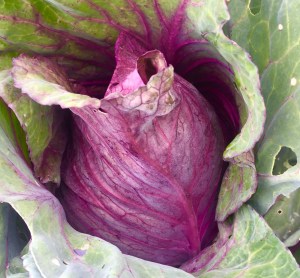
Kalibos Red cabbage: This Eastern European heirloom cabbage has a pointed shape and intense red/purple leaves. Beautiful and sweet flavor. Seeds from Seed Savers Exchange

CHARD
Argentata chard: Has green leaf with big white stalks that when cooked, melt in your mouth. Plus it is the most cold tolerant variety in my garden outlasting many other varieties of chard. Seeds from John Scheepers Kitchen Garden Seeds

CUCUMBERS
Poona Kheera: My all-time favorite eating cucumber. Seeds from Baker Creek Heirloom Seeds

EGGPLANT
Fairy Tale: my favorite-never bitter or tough skin. No need to peel this small eggplant. I just cut them in half  and saute or BBQ them. Transplants from Agua Fria Nursery here in Santa Fe

FENNEL
Florence Fennel: A bulb type fennel from Italy. Wonderful mild anise taste to add to Chippino or Boulabaise. I chop it and freeze it for use later. Seeds from Seeds of Italy or transplants from Agua Fria Nursery here in Santa Fe

PEPPER
Jimmy Nardello: Super sweet, red pepper-good for sauteing or cook on BBQ. It is thin-walled. Good cooked or raw. Seeds from Seed Savers Exchange or transplants from Agua Fria Nursery here in Santa Fe

SPINACH
Carmel: A fabulous early spring spinach with great flavor. The only spinach to survive winter with row cover. Seeds from Johnny’s Seeds or transplants from Agua Fria Nursery here in Santa Fe

SQUASH-WINTER
Waltham Butternut: I grew it because I had heard it doesn’t get squash bugs and that was true for me-good flavor too. Seeds from Seed Savers Exchange or transplants from Agua Fria Nursery here in Santa Fe

Rogosa Violina “Gioia” Butternut: An Italian version of Butternut. Grew much larger with excellent flavor and no squash bugs-YAY! Seeds from Baker Creek Heirloom Seeds

SQUASH-SUMMER
Costata Romanesco zucchini: This is the most flavorful zucchini I’ve ever tasted-sweet nutty flavor. Seeds from Baker Creek Heirloom Seeds or transplants from Agua Fria Nursery here in Santa Fe

WATERMELON
Moon and Stars:
This has a beautiful dark green skin with yellow ‘stars’. Taste is super sweet and it ripened before the end of the season. Seeds from Seed Savers Exchange or transplants from Agua Fria Nursery here in Santa Fe


New varieties in veggie garden

Now that the season is over I can review some of the new veggies I tried.

Borlotti beans: The pod of this Italian shelling bean is so beautiful and once I picked them, let them dried and shelled them the actual beans are pinkish/cream-colored with red splashes-more beauty. The variety was ‘Lamon’ which is a vining type. Can’t wait to try them in a pasta e fagioli soup this winter.


Kalibos Red cabbage: A friend gave me some plants to try. This Eastern European heirloom cabbage has a pointed shape and intense red/purple leaves. They turned out beautiful and I gave my friend the biggest one as I’m not a big cabbage fan and she makes great fermented foods-like Sauerkraut or Kim-chi.


Butternut Rugosa (wrinkled butternut): This variety from Italy is larger than the American Butternut variety. I only got one as powdery mildew eventually took over the plant but can’t wait to eat this. Much more interesting than the regular butternut variety. This one hadn’t turned butternut brown yet.


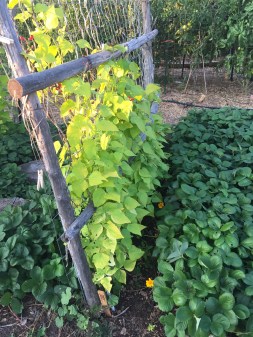
Chartreuse Scarlet Runner bean: I grow runner beans for their beautiful flowers although I know we can eat them too. I like this variety because of its chartreuse coloring of the leaves and the scarlet flowers. I love the contrast between the yellow-green foliage and surrounding other greens in the garden (in this case it is next to the strawberry plants.)


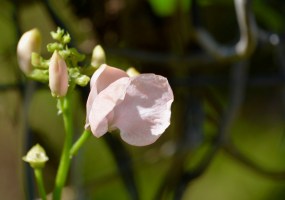
Sunset Runner bean: I grew this for the beautiful peach colored flower. The leaves are the normal green of other runner beans. I grew it on my arbor at the entrance to the garden.


Artichokes: I wrote about this in an earlier post but definitely worth mentioning again. Wonderful good size chokes with great flavor on a beautiful plant.  In fact I like the plant as much as the artichokes. Wonderful showstopper in the garden. Another one I didn’t think would harvest in time but they did. See previous post here.

What’s up in the garden!

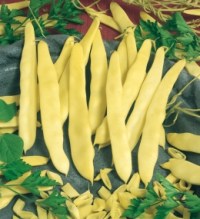
20140403122458-Meraviglia-di-venezia-a-grano-biancoStill catching up on what’s up in the garden. I planted a new bean called Climbing pole French Bean – Meraviglia Venezia that I bought from Franchi Seeds. It’s a Romano type of bean only yellow in color. I wonder what it will taste like. I also planted Emerite french filet pole bean from John Scheepers Vegetable seeds and a Chartreuse leaf colored scarlet runner pole bean which I grow for looks as the bright yellow-green leaves look fantastic against other greens.


Detroit Red beets, Craupadine beets and Atomic Red carrot seeds were planted directly in the garden. I put row cover over all of them to keep the birds from eating the bean seeds and to keep moisture in the ground for the beets and carrots.  If you’ve had trouble with birds eating germinating seeds, put row cover over them till they get about 3 inches tall. The Detroit beets and carrots are coming up nicely but the Craupadine beets are not. They are so hard for me to germinate compared to other beet seeds-still I try as I love the flavor of them.

cuke transplantsCucumber seeds planted in 2″ pots in the greenhouse at end of May, have germinated and will go into the garden today-June 15. The varieties are: Poona Kheera cucumbers (best tasting slicing cuke ever-never get bitter), Parisian cucumbers (I will make Cornichon pickles out of them), Boothby Blonde cucumber seeds will become Bread and Butter pickles and National Pickling cucumber seeds which will become dill pickles. Can’t wait to make pickles!

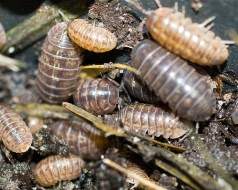
Pillbugs_(Armadillidiidae)Last year and every year before, I planted cucumber seeds directly in the ground but roly polys ate my cucumber seeds as they germinated last year in the soil. Roly polys, sow bugs, pill bugs, potato bugs are sort of interchangeable names for Armadillidiidae. They are actually good composters of horse manure so they are great in a compost pile but can damage small seedlings as they germinate in your garden when you plant seeds. Last year, I thought it was a cut worm eating all my seedlings, but found the roly polys instead to be the culprits. I had to plant 3x before I could get enough up and only after I sprayed them with Neem did I have success. This year I pre-started them in the greenhouse in 2″ pots to get them a little bigger. I find when seedlings are bigger, the roly polys don’s bother them anymore. They only like the young tender seedlings as they emerge.  If they do eat some of my other seedlings that are direct seed planted, they will be toast as I will spray Neem Oil on the roly polys on the soil where they live to get rid of them.

Rogosa-Violina butternut

Rugosa Violina Butternut Squash

The winter squash varieties I’ve planted are Rugosa Violina Butternut and Waltham Butternut. I grow Butternut squash because it doesn’t attract squash bugs! It’s the winter squash to grow if they are a problem.


calabacitas squash pic

Calabacitas squash

I’m also growing ‘Tahume’ Calabacitas squash which is really a winter squash picked very immature-we eat it like summer squash out here in Santa Fe especially in the dish called Calabacitas, which is a mixture of sauteed onions, corn, Hatch green chili and calabacitas squash. I got this from Botanical Gardens seed company. Very yummy!


costata romanesco

Costata Romanesco zucchini

Summer squash varieties I started are Costata Romanesco zucchini (best flavor ever) and ‘Bennings Green Tint’ patty pan. If I hadn’t had such trouble with the rolly polys last year I would just plant the seeds in the ground and you should too if they are not a problem for you. The soil has warmed up nicely—over 70°F which is perfect for squash seed germination.


bennings-green-tint-scallop-squash

Bennings Green tint summer squash

Should be done with all veggies planted this week. So if you think you are behind in the garden this year, don’t worry, you’re not alone!

Turk’s Turban Squash

turk's turban squash

This year, one of the squash I grew is called Turk’s Turban (Curcubita Maxima). I picked all of them last week right after the first frost which killed the vines. Winter squash gets sweeter if you leave it outside for one frost. It’s a beautiful heirloom winter squash with a cap like a turban hence the name and is orange, green and white with some warts. It is also known as French Turban and Turk’s Cap and is an old variety from France (predates the 1820’s). They can get up to 12″ in diameter but my biggest was about 9 inches. It was easy to grow and didn’t get squash bugs which was great. Many people use them as a gourd because of their beauty but I’m going to eat it to see how it compares to other winter squashes. They say it is sweet, rich and nutty—I’ll let you know!

PS: More on the dreaded squash vine borer

I just posted about the squash vine borer and a gardening friend, Gene, mentioned that his squash is smaller than in the video in a comment in the earlier post on squash vine borers. I forgot to mention that while the squash is small before they blossom, I keep them covered with row cover which keeps both the SVB and the squash bugs out but once the plants are bigger and blossoms, we have to take the row cover off for the bees to be able to pollinate them-that’s when we should use the foil.

The Mystery of the Calabacita Squash

Article first published as The Mystery of the Calabacita Squash on Blogcritics. Story by giantveggiegardener.

As a gardener and a cook, I’ve been searching for a particular squash seed-the Mexican Calabacita. It was the original squash used to make the famous ‘Calabacitas’ dish of squash, corn, onions and green chili here in New Mexico. Most of us now use zucchini to make this savory dish because of it’s availability, but here at the Santa Fe Farmers Market, you can buy the Calabacita squashes in early summer and then by mid summer, they are gone. They are little green squashes with soft skin and teeny weenie seeds-too small to harvest. I researched it and found that the squash originally came from Mexico but not a lot of information is out there on it. No seed catalogs have it. None of my gardening friends have any seeds. I couldn’t find it anywhere.

Then two years ago while on vegetable gardening forum here in Santa Fe, I met another gardener and during the course of our conversation after the forum, the mysterious Calabacitas squash came up. I told her of my difficulty finding the seeds. She told me she had gotten some Calabacita seeds from another farmer whose family had been here for generations.  She offered me a few of the seeds. Finally I would get some seeds! So we emailed each other and I sent her an envelope to send me some but they never came. I went by the Farmers Market where she sells produce but we kept missing each other. Another season passed and still no seeds.

This year, on the last day of my season as ‘The Tomato Lady’ at the Farmers Market where I sell heirloom tomatoes, I went by her booth and mentioned maybe I could get some of those seeds for this upcoming season. She said,” Why not buy one of the squashes now?” When she pointed them out, I said, “That’s one of them? It doesn’t look anything like the ones earlier in the season” and she remarked, “Yes that’s one of them. They are actually a type of WINTER SQUASH. We just pick them when they are really young and immature and have no seeds”. That explains it! Why I could never get any seeds from them. That is why we don’t see them later on in summer-if you let it keep growing; it will become a mature winter squash. There were several there at her booth with different colors. Some were green with orange stripes and some were salmon color with green-grey stripes. She said there really wasn’t any difference in the taste.  I ended up with the salmon-green striped one. It weighed about 15 lbs and has a squat oval shape outside and lovely orange color inside. It smelled like a cross between a cucumber and a melon.

I got the seeds and roasted the squash. To roast it, I quartered it and rubbed some oil on it and put it on a cookie sheet. Then I added a little water in the bottom of the pan so it wouldn’t dry out. I put it in the oven at 350° and placed some aluminum foil loosely over it so it would not burn. It took about an hour to cook. Afterwards, I put the flesh in a freezer Ziploc and will later cook squash lasagna with béchamel sauce.

So Calabacita squash can be used to make Calabacitas in early summer or later in the fall used in winter squash dishes.

Here is a recipe for Calabacitas from New Mexico:

1 lb or more Calabacita squash or any summer squash, cubed

3-4 ears fresh corn cut off the cob or 1 can corn

1 chopped onion

cumin to taste

New Mexico green chili to taste

Sauté the onion, add the squash and corn and sauté till tender.

Add cumin to taste. Add New Mexico green chili to taste.

More on squash bugs..

Squash bugs are around my squash and pumpkins right now. I go out AT LEAST ONE TIME A WEEK and go hunting for adults, nymphs and eggs. I know the ADULTS LIKE TO HIDE DOWN AT THE BASE OF THE PLANT or underneath the leaves. I take the hose and spray the whole plant and at particularly at the base which is covered in straw. The adults come running up the stems of the leaves to escape the water. Then I pick them off with my hand. I hate handling bugs barehanded so I use gardening gloves. I either squish them on the ground or put them in a bucket of soapy water where the adults drown.  No mercy.

I then look at EACH LEAF of the plant to see if there are any EGGS ON THE UNDERNEATH SIDE OF THE LEAVES, usually in the “v” where the veins form. If I find them, I either tear off the whole leaf (if I have a lot of leaves) or I tear out just the section that has the eggs and put them is a bucket of soapy water where they will smother. THE EGGS WILL BE DARK LIKE ROOTBEER WHEN THEY ARE READY TO HATCH, so get them EARLY.

I also look for the GRAY NYMPHS WHICH ARE USUALLY UNDERNEATH THE LEAVES OR ON THE STEMS. If I find a few I squish them. If I find a lot, I take the whole leaf off because they are fast and I can get them all. Then I put them in the soapy water.

Squash bugs go from EGGS TO NYMPHS IN 7-10 DAYS, so we should look for eggs about every 7 days to catch them from turning into nymphs. I do this on the weekend when I have more time. The squash bug PRODUCES ONE NEW GENERATION EACH YEAR but of course if each squash bug lays 15 eggs on each leaf they chose to deposit their eggs on, then all those newly hatched nymphs will lay more-but not this year. The nymphs will grow into adults this year but will not lay eggs. They will overwinter and lay their eggs next year.

So my thinking is if you get the adults now and the eggs now, then next year you should have way less squash bugs (I’m assuming we might miss a few) and of course if we get them all, in theory we should have none next year.

I keep my plants covered early in the season with row cover until they flower but now that they are flowering, I must uncover them so the bees can pollinate them. The key is to be REALLY DILIGENT ABOUT FINDING THEM BEFORE THE EGGS HATCH. After they hatch you can easily be overcome by the nymphs. Most people don’t keep up on the inspections and then the problem magnifies tenfold-so keep up on them. The hunt is on!

Some people spray Sevin on the plants. I prefer to go organically, so if I get a major problem, I would use Neem which is somewhat helpful but picking them off is the best way to control them.

All pictures courtesy of University of Minnesota. For more info on squash bugs, go to their site:  http://www.extension.umn.edu/distribution/horticulture/M1208.html

Squash bugs/squash vine borer preventatives

I get a lot of questions about how to control squash bugs. They are a veggie gardener’s nemesis. I have read and tried several things and think a few help. Here’s a list of things you might try to control squash bugs and squash vine borers.

squash bug

Squash bugs
Squash bugs attack both summer and winter squash. They pierce it and suck out the juices. If left unchecked, they can take over and destroy the plant. The key to control is catching them right away. Here are some thing s to try:
-Plant onions around squash to help repeal them. I planted little sets around the squash last year and I got a few but not a lot. Very controllable.
-Make an onion spray to put on leaves. Fill blender with water and add a couple of onions.      Blend onions and let them sit overnight. Strain onions out and put in sprayer to spray squash plants.
-Put row cover over young plants till they flower, then remove so they can get pollinated.
-Hand pick every 7 days and remove eggs, nymphs and adults from leaves. Put in bucket of soapy water. Then cover plants again with row cover. Squash bugs life cycle from egg to nymph is 7-10 days so keep ahead of them.
-Spray Neem Oil on squash when you have to keep them uncovered for pollination. Neem is an effective repellant.
-Plant late like the first couple of weeks of July-you may miss their lifecycle.
-Rotate squash into different beds, They may not find you. First time squash growers generally get the first year free of squash bugs. Afterward the bugs find you and the battle is on.

squash vine borer

Squash Vine Borer
This bug is not suppose to be west of the Rocky Mountains and yet it has been seen around here damaging and killing squash plants. It likes to bore into the main stem around the base of the plant to lay its eggs which then turn ito larvae inside the vine and eat it from the inside. Look for sawdust like  particles around base if plant suddenly wilts. You can try to slit the vine parallel  (not across it) and dig out the grub and then tape the wound shut. It may survive. Here are some things to try:
-Once again cover them until pollination needs to happen.
-Wrap aluminum foil around the base of the vine for about 12 inches to keep them from attacking it.
-Also bury the vine with dirt or mud covering the main vine.