Winterizing perennial vegetables

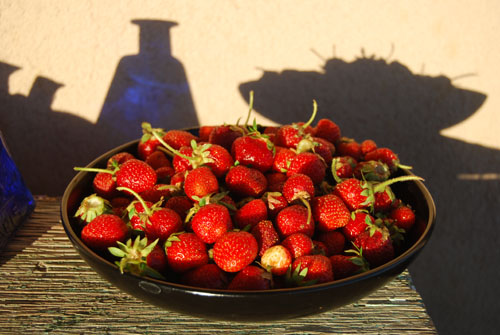
Strawberry patch shown here in July need protection now

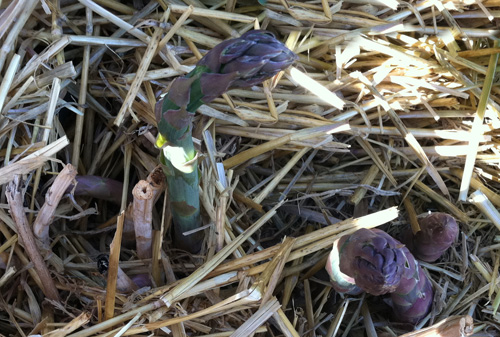
We should winterized our perennial vegetables and fruits. I have rhubarb, asparagus and strawberries. I already winterized my rhubarb, covering it with some straw and the leaves have died back under it but the roots are protected under the straw. Next I’ve been waiting for the asparagus ferns to turn brown and they just started so now I can cut them back to 3-4 inches high and cover them with straw too. Lastly I have a pretty big strawberry patch (about 8 feet x 40 feet) and was most concerned with it as I almost lost it last year when I did NOTHING to winterize it. So after the -20°F we had last winter, I want to make sure I help it for this winter. I’m going to cover it with about 6-8 inches of straw this year. It’s leaves are still green with the underside of them red. This week I will cover them for the winter. DON’T FORGET TO WATER YOUR PERENNIALS THIS WINTER as well especially if we don’t get any snow.

Rhubarb

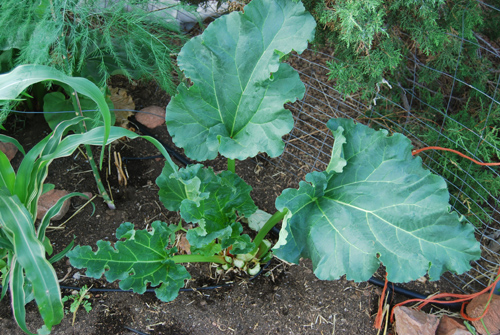
Rhubarb plant in the middle

This spring I bought 2 rhubarb plants from one of our nurseries that were the most pitiful plants I’ve seen but I really wanted to try to grow some and they were the only two plants they had so I bought them. They now are very beautiful and I can imagine them in other parts of my non-veggie gardens. I read they like sun or sun/part shade, rich soil and need water but not an exorbitant amount. They would give it a very lush look with their HUGE leaves. They have both grown so big that I decided to cut some and cook it up. Here is one of the plants in the middle of some asparagus ferns and ornamental japonica corn.

Here is the other one with the stalks ‘trimmed’. After I cut off the bigger stalks and discarded the leaves which are mildly poison.

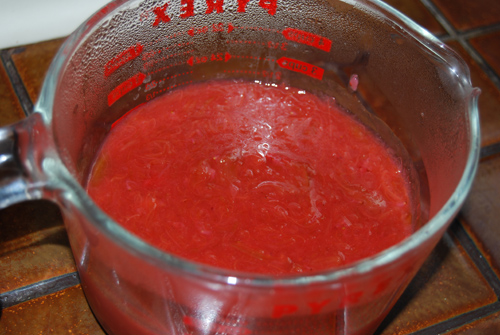
Here is the rhubarb/strawberry compote I made. I cut the stalks into 2 inch pieces and cooked them up with the strawberries and lots of sugar and cornstarch. My variety of rhubarb is called ‘Victoria’ which isn’t one of the red varieties but is green instead so I cooked some of the strawberries with it for the classic red coloring.  My mom use to make rhubarb compote that she served in bowls with whipped cream that we gobbled up for desert or breakfast if we could get away with that!

I then poured the compote glaze over the fresh strawberries in a precooked pie shell.

Here is mom at 23 years old-a fabulous cook!

Thanks mom for the recipe.

Strawberries

One of my fellow gardeners in the Las Vegas, NM area, Gene, asked me about strawberries and I thought what a good post it would make.

TYPES: Strawberries come in three types: June Bearing, Day Neutral and Everbearing.

June bearing strawberries: The most traditional berry that produces a single crop in early spring or June and are largest in size of the 3 types.  They produce for a 2-3 week period. It is the type I have. I got them from a friend who was thinning out her strawberry bed and I planted them 3 years ago so I’m not sure what variety but for sure they are June bearing type cause that’s when I harvest. Give them room cause they will take over areas. I’ve already let it spread out twice but I love strawberries so I don’t care. This winter I got hit hard with the extreme cold temperatures and lots about half but I’m sure they’ll come back.

Day Neutral strawberries: They produce continuously throughout the summer. They have smaller berries and fewer runners. These would be good for limited space.

Everbearing strawberries: Produce 2-3 crops per year-one in June, then late summer and again in fall. They also have smaller berries and fewer runners. These would also be good for limited space.

VARIETIES: You’ll have to do some research to learn more about these varieties listed here:

  • Early – Earlidawn, Catskill, Raritan
  • Midseason – Surecrop, Redcheif, Midway
  • Late – Guardian, Fletcher, Sparkle

PLANTING: With all strawberries, they like a soil with lots of compost so be sure to heavily amend your soil before planting the plants. Plant in full sun. Dig a hole that will accommodate the roots in the soil but be sure to keep the crown at or just above the ground level-otherwise it may rot. Plant about 18″ apart. Don’t worry if that seems like a lot of space, each plant will put out runners and baby plants from the runners and soon it will fill in.

Pick off any flowers the first year so the plant can put it’s energy into growing instead of making fruit.

Harvest the second and third year and then thin out, taking the original ‘mother plant’ leaving room for the babies. The babies will produce more fruit if you thin out as the original plants will slow down. So dig them out, start a new patch or give them to a friend. June bearing types put out a lot of runners and baby plants every year and must be thinned out for sure every 3 years.  Trim off the runners if they are running over your boundaries. I don’t know about the other types and how much they run.

PROTECTION: Now to keep the birds from eating them–I DON”T use that ‘bird’ netting as I got a small bird caught in one and it died and I felt awful so now I just cover the patch with row cover. I can water right through it and just pull it back to harvest. Much better. This is my third year so I will see how many I get what with the winter damage. Last year (second year) I got a ton and they were great!

For winter protection, some people put about 6 inches of straw over them after it freezes. I don’t bother, maybe I should have this past winter!

Plant peas, spinach, and arugula on St. Patrick’s Day

Today is ST. PATRICK’S DAY- TIME TO PLANT PEAS, SPINACH AND ARUGULA. I always plant them right around now and use the holiday as a reminder. I stayed home today to recoup after putting Butch down. Getting my hands in the soil is always grounding for me. Lots of things to do right now regarding gardening. Here are some of the things I did today.

COLDFRAME-I inspected the rabbit damage to see if the spinach seedlings are salvageable. All but one of them are starting to grow back from the crown which were undamaged. I planted seeds of the following in the coldframe:

SPINACH-Bloomsdale-45 days in the other half of the coldframe.

CHARD-I didn’t know (or remember) that chard is a biennial (meaning two years) but spends it’s second year mostly growing to produce seed which is why they never seem to produce as big of leaves the second year. I will pull them and plant more chard seeds-white variety.

OUTSIDE RAISED BED-Checked the outside raised beds by the house. Last fall I I dug some old horse manure into one of them and it looks great. I planted the following seeds and covered them with row cover to keep the rabbits from them:

PEAS-Dwarf Grey peas and Oregon Sugar Pod II-60 days

SPINACH-Bloomsdale-45 days and a giant variety of spinach (there I go again!) called Monstrueux de Viroflay-50 days

BUTTERHEAD LETTUCE-Yugoslavian Red-40 days

MESCLUN-Provencal mix-40 days

CILANTRO

CUTTING LETTUCE-a new super red variety of  called Sea of Red-40 days

ROMAINE-Paris Island Cos-68 days

ARUGULA-Apollo-30 days

IN THE SECOND RAISED BED- Took out the last of the carrots from fall that overwintered. They should be extra sweet! The garlic I bought at SF Farmers Market last fall is coming up in it. Lightly dug in some Yum-Yum Mix in the remainder of the bed as I’m going to plant more carrots, beets and shallots which are heavy feeders and need some extra fertilizer especially if you are putting them back in the same area. I will plant:

CARROTS- Purple Haze and Danvers

BEETS-Detroit Dark Red-60 days, Bulls Red Beet-50 days and Early Wonder beet-48 days

DUTCH SHALLOTS-picked up some Dutch Red Shallots while I wait for the French shallots to arrive. Should be a good taste test at harvest time.

MAIN GARDEN-I hooked up the hose and watered the strawberries and the asparagus. Underneath the layer of dried leaves in the strawberry bed I see new leaves starting to grow from the crowns. The asparagus is either dead from our very cold winter or they haven’t started growing yet, we will see..
Wow! First apricots in 10 years!

Apricots in 2010!

We don’t get many apricots in Santa Fe because of the freezes we experience in Spring usually right as the apricots are blossoming but this year is the first time in ten years that I have gotten a few apricots! I didn’t get many (there are a few more on the tree) but just the fact that I got any was a miracle as we had many freezes this spring but I guess the apricots missed the freezes. I had to pick them a little early cause the birds  pick them apart. Aren’t they beautiful?!

June bearing strawberries ready

stawberries in patch

The June bearing strawberries planted last year are really ripening now and will continue bearing through the rest of June. This is the first year for producing berries and the plants should produce well for 3 years. Last year at this time they were putting out all kind of runners. This year they are putting their energy into bearing fruit. If you plant some strawberries and don’t know what type they are just wait to see if they put out lots of runners and if they do, they are probably a June bearing type.  If not, they are one of two more types of strawberries. I’ve never grown strawberries before and am real excited to grow them. I keep them covered with row cover so the birds don’t get the berries.

1st strawberries gathered

Here is a little more info on the 3 types of strawberries: June bearing, Everbearing and Day Neutral.

June Bearing strawberries produce a single, large crop per year for a couple of weeks in late spring-June. June bearers produce a single flush of flowers and many runners. There are 3 varieties- early, mid-season and late season. The largest fruits are from the June bearing varieties.

Everbearing strawberries produce two to three crops of fruit  during the spring, summer and fall. They do not send out many runners.

Day Neutral strawberries will produce fruit throughout the growing season. These strawberries also produce few runners. Everbearing and day neutral strawberries are great when you don’t have much space, but the fruits are smaller than June bearers.

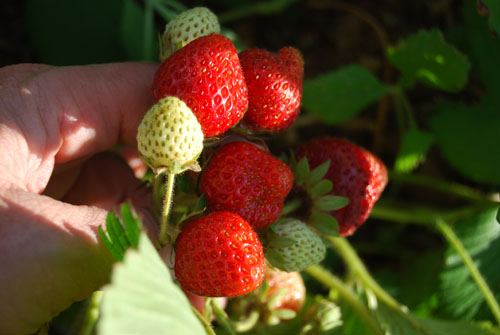
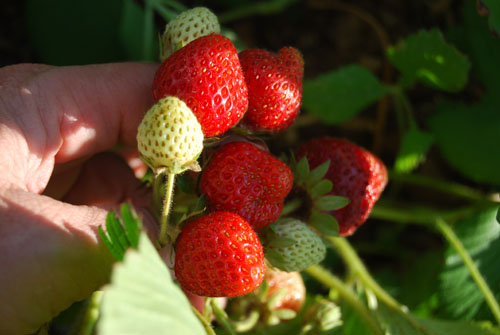
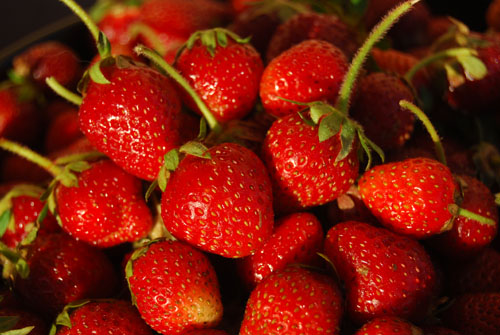
closeup of strawberries

We gathered a big bowl of them and they are really beautiful!  fixed some whipped cream  for a special treat!

strawberries and whipped cream-yum!