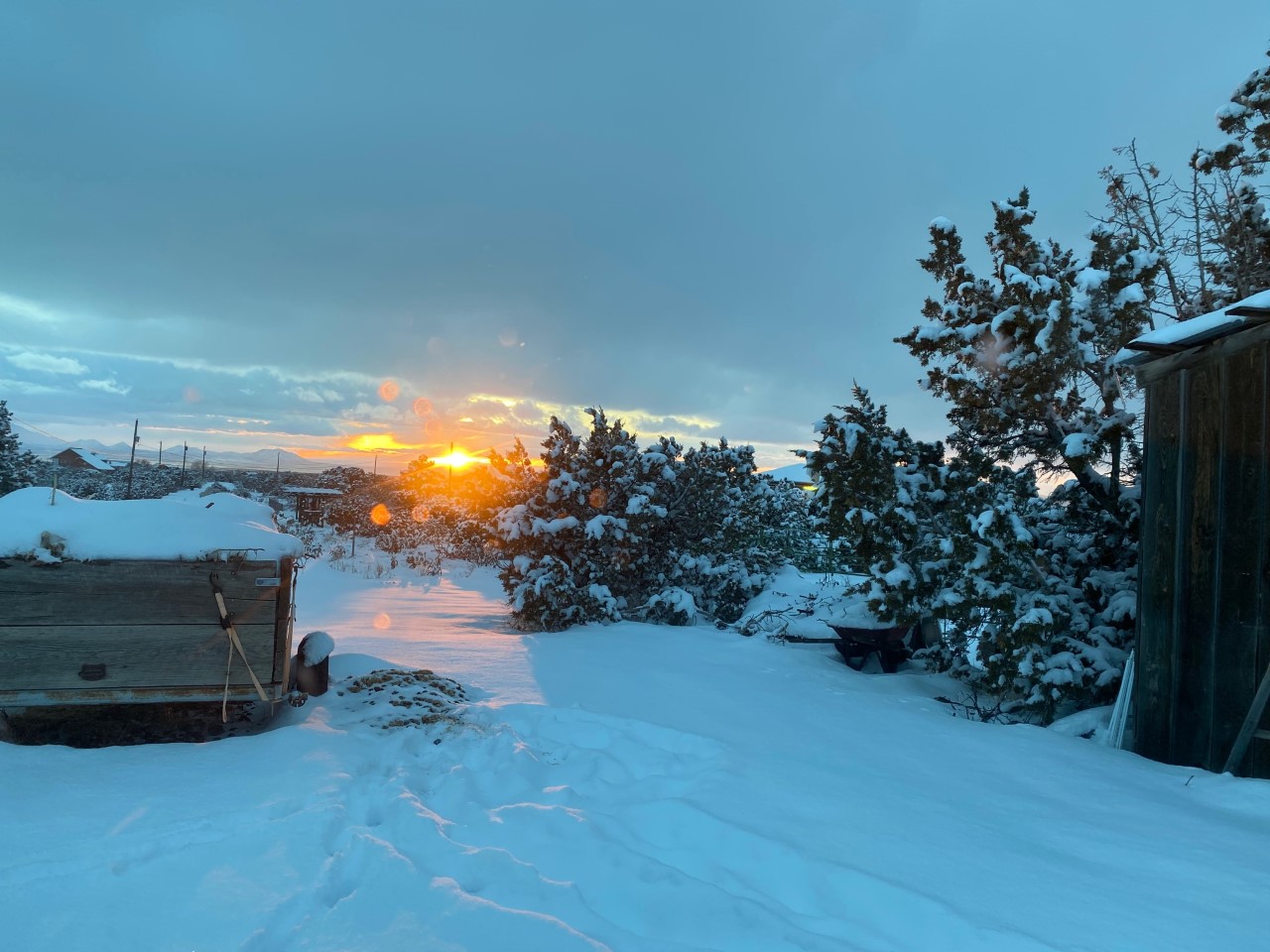
The time between spring and summer where one day it’s gorgeous and the next day/night too cold is called the shoulder season-one day winter and the next day summer. This April has been miserable so far in my opinion. We’ve had a few nice days with warmer weather and just when we get excited about putting in this season’s vegetable garden, the weather turns for the worst. I got lots of veggies to plant out this year and some to sell/give away.

Windy and cold. COLD AND WINDY!! Tonite, Thursday, April 15– Monday, April 27, every night is BELOW  freezing-that’s 5 days! What happen to our 40 degree nights and 65+ degree day temperatures. Plus gale force wind is between 25-40 mph-day and night! Waah! And looking further out, it remains in the low 30’s until Saturday, April 24. That’s 9 days of miserable weather all together.
 Of course all this will change (probably overnight) to hot and dry weather and I will regret all of this when it gets hot in June. Where is the precipitation in the form of rain or snow? I’ll take any that nature has to offer. She seems very stingy right now. Does it seem like things are out of control? Definitely. Or at least I can’t control them! That is the plight of the vegetable gardener-we have to deal with the unexpected and make adjustments.
This means many things get put on hold. Like attaching the drip timers. Freezing nights can crack the little diaphragms that are in the timers so I have to wait to put them out till the night time temps get above freezing.
Hardening new veggies off outside will have to wait a little longer. Meanwhile they will be safe indoors.
Planting my cool season crops out right now? Nope. Sure they can handle some cold nights, but do I really want to push them out to a cruel and harsh world after being cozy inside all spring growing up? Nah. I can wait a little longer, but my patience is growing short and yet I know if I push too hard, I will regret it with stunted plants or worse frozen ones and starting over. I will try to put them out next week.
And warm season crops like tomatoes, eggplants and peppers-forget about em right now. They are set to be transplant outside from mid-May to June. The last 2 years I was able to sneak out the tomatoes with wall of waters protection in early May, so we will see what this May brings.
 When I do put in those first cool-season crops like kale, beets, chard, spinach I will cover them with row cover at night to give them a chance. If I had gotten them out earlier in the warm spell, they probably would have adjusted just fine but I missed that window. So now I wait. Patience.
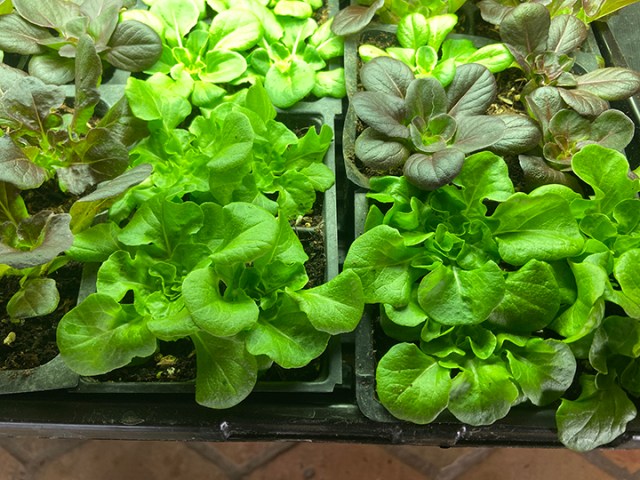
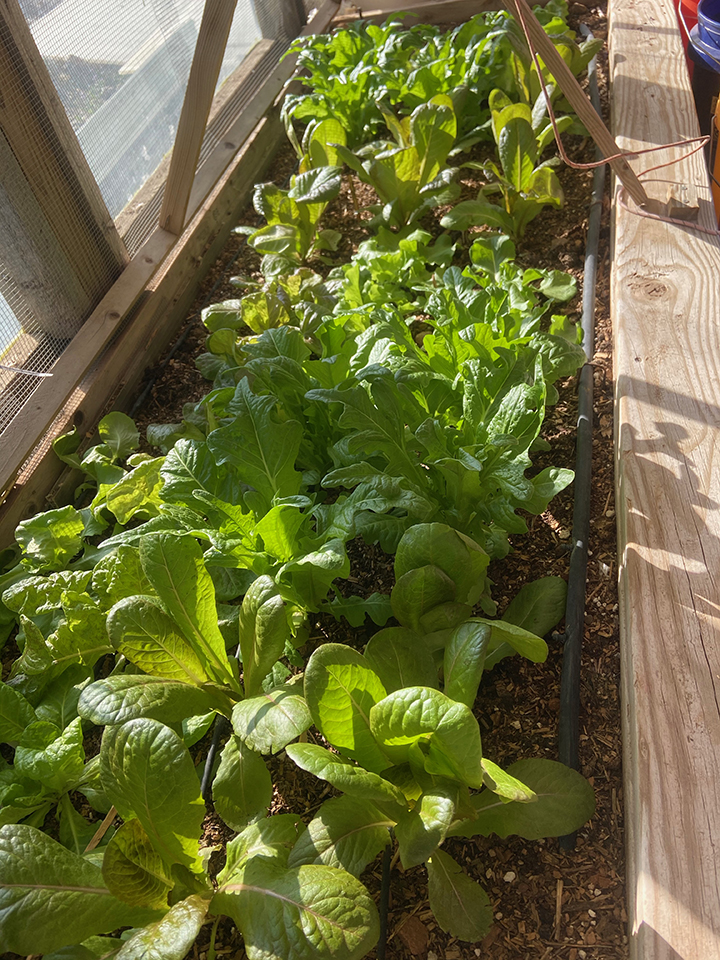
I already have cool season lettuces growing in the greenhouse and cold-frame and they are doing well and are fully adjusted to the temps because they have protection from the wind and the cold plus I will cover them with row cover on the below freezing nites. I’m not worried about them.
Meanwhile I have a house full of plants, waiting to go out. Patience. I’ve been patient all year with CV but the good news is, I’m still here!
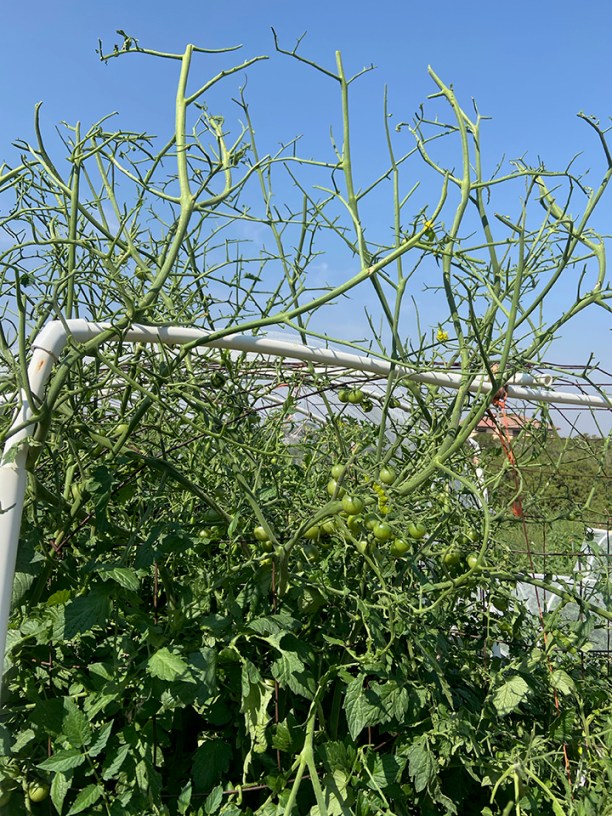


 the last month. (You may recall, the leafhopper can bite the tomato plants and give them a virus which is deadly to our tomato plants). With all the moisture and more forecasted, I believe the leafhopper is gone so off come the row covers this weekend. Finally I will be able to enjoy watching the tomatoes grow!


 It’s not too late to plant zucchini or summer squash as you will still get lots this season. I’m totally smitten with Rugosa Friulana summer squash. I’ve written about it before but feel its worth mentioning again.
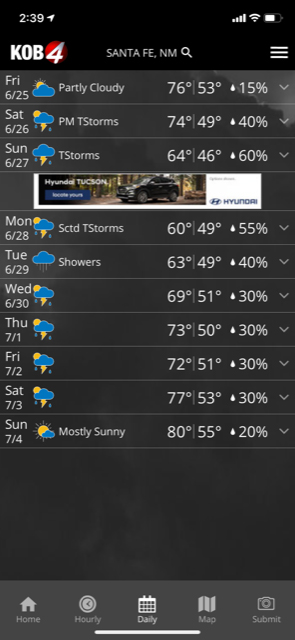 It’s getting cooler this coming week and it looks like we MIGHT be starting the monsoons early (that will be a first!) BUT I’m not taking the row covers off the tomato plants just yet. I want the monsoon pattern to really set up-not just a few scattered showers.
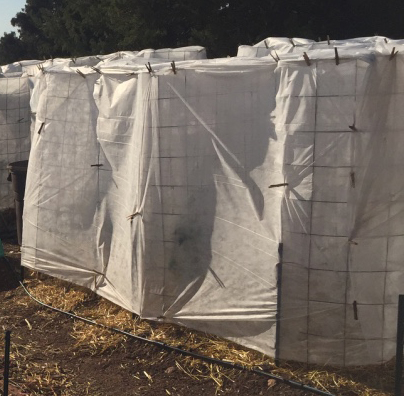 I will post here on this blog when I do take them off. You could be a gambler and take them off early but I figure I’ve waited this long and don’t want to chance it. I can hardly wait to take them off but must have patience!

 Hard to grow anything in our sometimes harsh environment and isn’t getting any easier with our global warming. The temps are getting hotter again this week but in the low 90’s. I’ve found the end of June thru the first week of July is usually the hottest part of the year here in Santa Fe. Then the monsoons are suppose to come and give us moisture and cooler temps.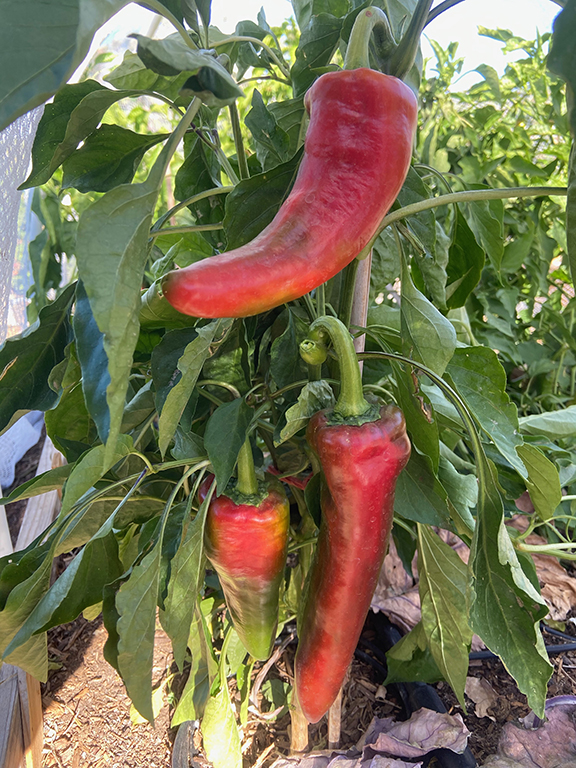
 I plant my peppers in wall of waters-WOWs. (yes, just like I plant my tomatoes) because even in the mid 40’s, it is still very cool for a pepper at nite. This will reduce transplant shock and warm the interior of the WOW’s to help keep the peppers warm at nite. Peppers HATE being cold and if planted too early without protection, they might stall out. By that I mean they just stop growing and nothing will kick start them again-they will just sit there and nothing happens. I learned the hard way and have had to go buy more pepper plants when I first started growing peppers and planted too early. When I plant in WOWs now, I never have that problem anymore. I always plant them on a sunny day in the morning so the WOWs can heat up. I will keep them in the WOWs until it gets stinking hot here sometime in June-then I take the WOWs off as they usually don’t reach the top of the WOW. Wall of Waters are used as a spring aid but don’t keep your peppers or tomatoes in them all season. They also help us by providing wind protection too in the spring, which has been bad this year. Wind can really beat up any tender seedling-another good reason to use WOWs.