Review of 2012 vegetables

fall harvest

2012 VEGGIE LIST

Here is my review of what I will and won’t grow again from last year’s vegetables that I tried and why. I will put tomatoes in another list since there are so many of them!

WILL GROW AGAIN
ARUGULA
-Apollo-nice leaf size and flavor

BEANS
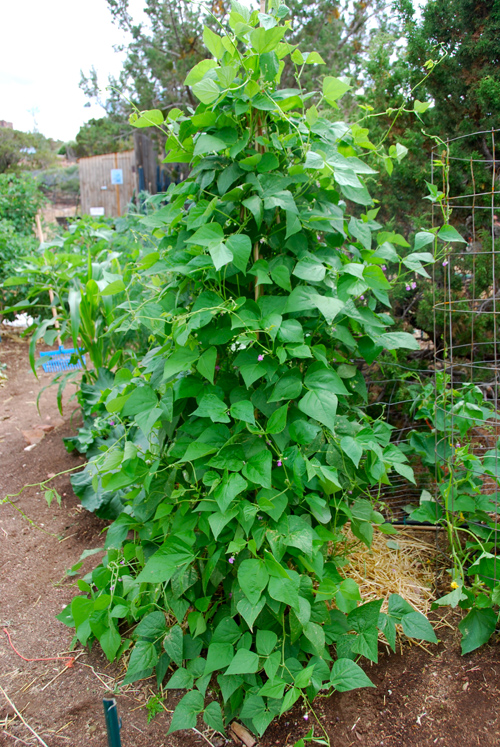
-Rattlesnake bean/pole-remarkably flavored pole bean-grows very tall-great for trellises or arbor
-Tarbais bean/pole-dry bean-after much work FINDING IT last year in the states, you can now get this wonderful bean from Baker Creek Heirloom Seeds this year. I will make a french dish called cassoulet with it.
-Fava Bean/bush-wonderful flavor and 2 crops last year. A little work shelling it twice but worth it. Also is a good cover crop replenishing the soil with nitrogen.
-Golden Scarlet Runner/pole-I grow runners for their flowers/foliage-the foliage on this one is a striking chartreuse color against the scarlet flowers-simply beautiful

BEETS
– Craupadine-BEST tasting (but ugly) beet around
-Cylindra-long cylinder shape, great taste, easy cutting into slices

BOK CHOY
-Extra Dwarf Pak Choy-wonderful flavor-I like to cut one in half, saute it in olive oil, and add tamari when you flip it

CARROTS
-Atomic Red-great color and flavor
-Cosmic Purple-one of my favorites

CHARD
-Bright Lights-adds great color tucked into the garden and good flavor
-Argentata-thick juicy stalks with huge leaves-very cold tolerant
-Ruby Red-one of the prettiest and tasty chards out there

CUCUMBERS
-Parisian Pickling-used for making cornichon pickles
-Boothsby Blonde-used for making bread and butter pickles
-Poona Kheera-best flavor for eating
-Armenian– fun to grow, good flavor, few seeds

EGGPLANT
-Fairy Tale-sweet, no bitter taste and tender (not tough) skin

LETTUCES
–Provencal Mix, Mesclun Mix, Buttercrunch, Yugoslavian Red, Santoro Lettuce

PEAS
-Dwarf Sugar Gray-great in salads or steamed, grows about 3 ft tall

PEPPER–want to try some different varieties from Europe this year as well
-Shishito (Japanese non-hot pepper)-one of my favorites
-Poblanos-mildly hot (I call it warm), great for chile rellanos or scrambled eggs, wonderful smoky flavor

POTATOES–first year grower and I’m hooked!
-French Fingerling-OMG, the best flavor!
-Peruvian Purple-I loved the flavor of these as well

SPINACH
-Bloomsdale and Tyee

SUMMER SQUASH
ZUCCHINI
-Costata Romanesco-best tasting zuke around

SUNFLOWERS-technically a flower but they are veggies for the birds!
-will grow another huge patch of different varieties-beautiful and the birds love them
-Russian Mammoth AND Titan– for us/birds to eat
-Black Oil-for the birds only

TOMATILLO-Green-good for tomatillo salsa-only need one plant as they are so prolific.

WON’T GROW AGAIN
BEAN-Emerite bean/pole bean- great flavor but didn’t grow high enough to cover my teepee and I will grow others this year.

CARROTS
-Paris Market-too small, bland flavor, not impressed

CALABICITAS SQUASH
-seed from local grower-turns out it was a native winter squash, not calabacitas squash.

CORN-again not this year (I’ll get it from our Farmers Market)

FENNEL/FINOCCHIO
-Di Firenze-might grow one or two but not 25 plants like last year!

PEPPER
-Jalapeno-I don’t use them enough to call for space in the garden. I’ll just buy the few I use throughout the year.

POTATOES
-Russian Banana-too crunchy and watery

‘Rouge Crapaudine’ Beets-say what?!!

Rouge Crapaudine beet. Photo courtesy of www.frenchgardening.com

Rouge Crapaudine beet. Photo courtesy of http://www.frenchgardening.com

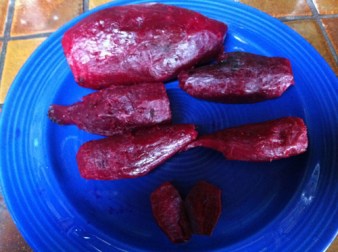
I tried a new variety of beet this year-a heirloom beet named ‘Rouge Crapaudine’. Do I dare try to pronounce it?! Ha! This beet hails from France and is one of the oldest varieties of beet in history possibly dating back 1000 years and still around! Craupadine means female toad in french! It’s not pretty-it’s shaped like a very rough fat carrot  (definitely toadlike) and it’s skin looks like tree bark (toadlike again) hence the name. In fact it’s downright ugly BUT the dense purple flesh is divinely sweet and sought out by chefs. In France they sell them at farmers markets both raw and roasted. I was curious so I looked up how they cook it over there.

craupadine beet cooked

Cooked Crapaudine beet. Now it needs to be skinned.

First wash the beets (you don’t have to oil  or skin them) and place them in several layers of foil (beets on shiny side) and close it up tight on the top and both ends. Then put it directly on hot coals in your fireplace (yes that’s right) but not on a direct flame. A fun thing to do in the winter after having a nice warm fire.

It will cook inside the foil on the coals. How long to cook it depends on how hot your coals are. Mine took about 45-50 minutes total turning halfway through. You’ll have to take it off the coals and check it for tenderness with a fork from time to time as there is no exact science as this is an art!

Wear gloves if you don't like your hands red after skinning beets

Wear gloves if you don’t like your hands red after skinning beets

The skin will come off easy after they are cooked once they cool down.  But be aware your hands will turn a lovely shade of magenta! For more details you can go here  at the website frenchgardening.com where I learned about this beet and French cooking method.

Crapaudine bet skinned and ready to eat!

Crapaudine bet skinned and ready to eat!

Crapaudine beets get a sweet smoky flavor cooking it this way. You can also cook them in a more traditional way in an oven for about 45-60 minutes at 350°F. They’ll still be good but without the smokiness. Do try it in the fireplace for a treat.

After cooking them in the fireplace, I made a salad with the beets sliced and placed on a bed of greens with some crumbled goat cheese, pinon nuts sprinkled on them and topped with a balsamic dressing-absolutely fantastic. I didn’t even like beets-until now.

Crapaudine beet seeds are hard to find but I found them at Baker Creek Heirloom Seeds. Sow them next spring and just be sure you sow more seeds than you think necessary as they are tough to germinate and some won’t come up. Plant them in spring as they will take at least 3 months to be ready to harvest. Then harvest in late summer and store in a refrigerator all winter if you like and save for a wonderful fall-winter treat. Crapaudine beets can also be used in any beet recipe.

Today’s Harvest-July 16!

Today’s harvest!

Today the ‘Emerite’ beans, some beets and 3 little tomatoes were ready for harvest!  The beans are french vericots and should be picked very thin when they are tender. If you wait till they are bigger they will be tough. The beets were from thinning them out some more so the rest of them can get bigger. The garlic in the picture was harvested a couple of weeks go and is dry and ready to clean up.

Fall Vegetable Planting Schedule

Fall harvest. We only wish our gardens were this GREEN! Photo courtesy of http://gardening.ktsa.com

Ok, so now since it is time to plant my fall veggie garden, here is my planting schedule

FIRST-WHAT TO PLANT AND WHEN

Depends a lot on what you like to eat. Below is MY list of what I want to plant for a fall garden. Some of these are already growing in the summer garden and will be ready to harvest soon like the carrots and beets so I must decide if I want more in the fall.  All of these planting dates are estimates depending on the variety you grow and are based on planting outside, not in a greenhouse. Look on your package of seeds or on the plant label for seedlings for accurate harvest times and go backwards from Oct 3 for Santa F+ add 14 days.

JUNE

Fennel (Finnochio-bulb type)-Sow seeds mid June. OPPS! Missed this. The short cool days of fall are even better for fennel than spring. You can still plant this (IN JULY) as it likes cool nights although the bulbs may be smaller since we missed it’s prime planting date.

JULY-AUGUST


Asian Greens/Bok Choi- Sow seeds mid July. Can handle light frosts. Harvest days depends on variety. Look on seed package.

Beets- Sow seeds in mid July-early August. Can handle freezes but must mulch with thick straw or row cover. 45-65 days to harvest.

Broccoli- Sow seeds early July-mid July. Can handle light frosts. 55 days to harvest.

Broccoli raab- Sow seeds in early July-mid July. Can handle light frosts. 45 days to harvest.

Carrots- Sow seeds in early July-mid August. Can handle freezes but must mulch with thick straw or row cover. 70-80 days to harvest.

Chard- Sow seeds late July-. Can handle some light frosts. Cover with row cover when it gets cold to extend season. 50-60 days to harvest

.

Kale- Sow seeds early July. The short cool days of fall are even better for kale than spring. Kale that is established will last well into winter and can survive below freezing temperatures down into the 20s.

Lettuces- Lettuce baby- Sow seeds in early-August. Seedlings will need consistent moisture and shade from the afternoon sun on hot days. Cover when it gets cold to extend season but it will not survive freezing temps. 45 days to harvest depending on type and variety.


Peas- Sow seeds in early-July-mid-July. Likes cool but not freezing weather. 60-75 days

.

Radish- Sow seeds late July. 30 days to harvest.

AUGUST


Spinach- Sow seeds early-August. The short cool days of fall are even better for spinach than spring. Spinach that is established will last well into winter and can survive below freezing temperatures down into the 20s although it will stop growing. Why doesn’t it freeze? It produces an alcohol inside-alcohol won’t freeze! 45 days to maturity.

Endive, Escarole-Sow seeds early August. The short cool days of fall are even better for these than spring.


Lettuces- Lettuce head – Sow seeds in anytime August. Seedlings will need consistent moisture and shade from the afternoon sun on hot days. Cover when it gets cold to extend season but it will not survive freezing temps. 45 to 60 days to harvest depending on type and variety.


Mesclun mixes- Sow seeds in early-August. Seedlings will need consistent moisture and shade from the afternoon sun on hot days. Cover when it gets cold to extend season but it will not survive freezing temps. 45 to 60 days to harvest depending on type and variety.


Arugula- Sow seeds in mid-August-late August. Fast growing. Can handle some light frosts. 
30-40 days to harvest.


Kale- Sow more seeds mid August. The short cool days of fall are even better for kale than spring. Kale that is established will last well into winter and can survive below freezing temperatures down into the 20s

OCTOBER


Garlic-Sow largest cloves anytime in October after the first frost. Harvest in late-June-July

Shallots-Sow largest bulbs anytime in October after the first frost. Harvest in late-June-July.

I’m 

not a big fan of kale, endive, escarole and collards, but went ahead and listed them as I know many of you like them. Cabbage and cauliflower take too long to grow for me. Forgetaboutit!

SECOND-WHERE TO PLANT


Do you have garden space close to your house for easy watering and harvesting as it gets colder? This is important to consider if your main garden is far away from your home. I have two places to plant them now. My cold frame and my raised beds up by the house. If I ever get my greenhouse done, I’ll have another great place for veggies but for now I’ll plant in my two spaces.

Cold frame in previous year

My first space is my cold frame up by the house. Since it is too hot now, I think I will have to put some shade cloth over it to keep plants cooler inside. Also I want to get one of those automatic vent openers that will open the lid if the temps get too hot and close it when it gets too cold.

The shallots will soon be done in this raised bed and I will use it for fall planting

My second space is the raised beds also up by the house. Raised beds are great as they keep the soil warmer in the fall when it is getting cooler. Since I already pulled all the garlic in these raised beds, I will plant a few cold hardy vegetables in them and then plant garlic and shallots between them come October. The beauty of having some garden space close to the house is when it does get cold, I won’t have to walk down to the main garden to water and harvest. I can just get a watering can and go right outside the house. Also I can replace the light row cover that I keep my cool season crops under (keeps the critters and bugs away) with a heavy row cover on the beds if a sudden frost comes up. The cool season crops will be picked by the time winter hits and the garlic and shallots will sleep till spring!

What have I been doing?

I’ve been busy in the garden! It is ALMOST  finished. I have 8 more tomatoes to plant tomorrow that I forgot to get that are some of my standards at the SF Farmer’s Market. OPPS! But they will be ready in time.

Two weekends ago I had 7 friends/family help with planting the majority of the tomatoes. A great big THANK YOU to all that helped-Elodie, Flynn, Ronnie, Lava, Tom, Sharon and myself! I couldn’t have done it without you! I also have a few more flower seeds to plant by the entry. Otherwise it’s done-FINITO! Yea right-there is always something to do in the garden! Here are some of the things happening in the garden:

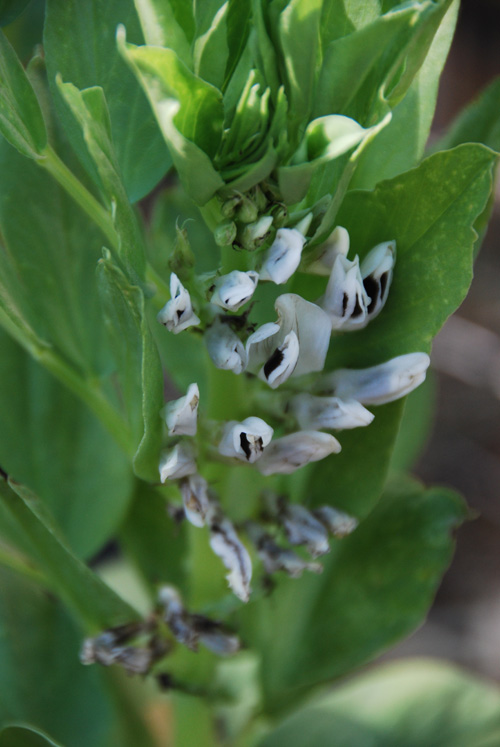
The fava beans are looking good. Here they are flowering. I like the black and white flowers. I don’t think I’ve ever seen black and white flowers on a plant before. They had some aphids so I sprayed them with insecticidal soap and they are looking better. They have baby fava beans on them now.

The beets and carrots are coming along quite nicely. They are outside the pole bean tent area and will fill in nicely

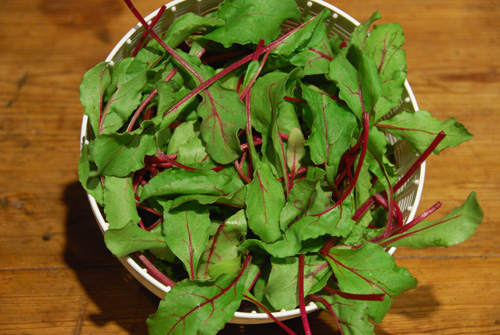
Here are some beet greens I harvested while thinning out the beets to give them room to grow. They are yummy in a salad and are so beautiful.

In the shadiest part of the garden I planted some bok choi and lettuce and have had it covered with row cover since planting to help keep them from the heat and bugs. They both are looking great. I’ve never grown bok choi before so I’ll have to research when to harvest as they are getting to be pretty big and won’t like the heat for too long.

The fennel bulbs are getting bigger and are almost ready to harvest. Maybe another 2 weeks. They also won’t do well in the heat. I wonder if they will get as big as the ones in the grocery store..

About half of the tomatoes I previously planted are growing out of the top of the wall of waters and I need to take them off before it gets too difficult.

It’s been fun growing some early stuff. The bok choi, fava beans, fennel and lettuce are more cool season crops and will have to be harvested soon because of the heat. Probably all of them will be harvested BEFORE July.

I also have potatoes that are growing through the roof, strawberries that are being harvested and rhubarb that is ready to pick but will save that for other posts.

Create a teepee of pole beans for the summer

On Sunday, Caleb and Elodie and I created a bean teepee in one the beds where pole beans will grow. I wanted to make it large enough that a person (even an adult) could sit inside it this summer when it is covered with bean plants.  I can’t wait to experience what it will be like.

Here is the pole bean teepee I had last year but it was completely closed so this year we left an opening in the tee-pee to get in and out.

I had some really tall poles so we could get the height and width needed to make it large enough. I got the poles from my friend, Tuko, who had them on an arbor at her house and was taking it down. That was many years ago and I’ve saved them all this time for something special and I think I found that special project. I’m hoping that my neighbor’s grandson, Aiden will go in it later this summer.

So today in the wind, I went out and planted some seeds before this supposed rain comes. I planted beets and carrots on both sides and then I covered them with row cover (for now) so the seeds wouldn’t blow away and stay wet longer when I water them. The row cover helps the seeds stay in place! Later after the plants come up I will take off the sheets!

Growing Beets

Detroit Red Beet/ photo courtesy of seedsavers.org

Just like with Swiss chard, now is the time to plant beets. Beets  (or sugarbeet) take around 60 days from seed to maturity and should be given a spot in the garden where it can have time to grow because it takes some time to mature. You should plant them now in the spring and if you replant them in fall you can let them overwinter. It is a biennial that we grow as an annual to harvest the root. For more flavorful beets, grow them in cool conditions.There are many different types and coloring of beets from Golden, Bulls Blood Red, Chiogga, Detroit Red, Early Wonder and Cylindra to name a few. Bulls Blood Red is grown mostly for it’s beautiful red leaves that many people use in their salad greens.

I have to confess. Until a few years ago, I wasn’t a big beet fan. Perhaps it was because my mom gave us pickled beets or tasteless cooked beets from a can while I was a child (sorry mom). In her defense, we lived in a desert and back then it was hard to get fresh anything. So I wasn’t very enthusiastic about growing them. Then two things happen to change my mind about beets.

THING #1: One day a friend had me over for lunch and put roasted beets in with a lettuce salad and I was hooked. Beets get really sweet when roasted in an oven on low heat. They sorta get caramelized and are little nuggets of sweet.

THING#2: Two friends from Australia who are vegetarians came over for dinner one night and grated a raw beet and carrot on top of a lettuce salad. It was so bright and colorful and the raw beet had a wonderful flavor. We sprinkled feta cheese and sunflower seeds on it and dressed it with a balsamic vinaigrette. I loved it.

Growing Instructions:

-Beets like alkaline soil-ph between 6.7 to 7 which is great around here. They like a lot of organic material added to the soil. They require consistent moisture levels but can tolerate soils that are low in fertility.

-Beets can be started inside if you like or direct seed in early spring.

-Plant seeds every 1 inch, thinning to about every 4 inches after they are 4-5 inches tall to give them room to grow. Snip off the cuttings instead of pulling them to not disturb the remaining roots.

-For best flavor, beets like direct light and cool growing conditions which is perfect for a spring crop and fall crop. Put straw around base of plant in summer to keep roots cooler if you still have them.

-When harvesting, cut off the tops to within one inch and keep in refrigerator.

Plant peas, spinach, and arugula on St. Patrick’s Day

Today is ST. PATRICK’S DAY- TIME TO PLANT PEAS, SPINACH AND ARUGULA. I always plant them right around now and use the holiday as a reminder. I stayed home today to recoup after putting Butch down. Getting my hands in the soil is always grounding for me. Lots of things to do right now regarding gardening. Here are some of the things I did today.

COLDFRAME-I inspected the rabbit damage to see if the spinach seedlings are salvageable. All but one of them are starting to grow back from the crown which were undamaged. I planted seeds of the following in the coldframe:

SPINACH-Bloomsdale-45 days in the other half of the coldframe.

CHARD-I didn’t know (or remember) that chard is a biennial (meaning two years) but spends it’s second year mostly growing to produce seed which is why they never seem to produce as big of leaves the second year. I will pull them and plant more chard seeds-white variety.

OUTSIDE RAISED BED-Checked the outside raised beds by the house. Last fall I I dug some old horse manure into one of them and it looks great. I planted the following seeds and covered them with row cover to keep the rabbits from them:

PEAS-Dwarf Grey peas and Oregon Sugar Pod II-60 days

SPINACH-Bloomsdale-45 days and a giant variety of spinach (there I go again!) called Monstrueux de Viroflay-50 days

BUTTERHEAD LETTUCE-Yugoslavian Red-40 days

MESCLUN-Provencal mix-40 days

CILANTRO

CUTTING LETTUCE-a new super red variety of  called Sea of Red-40 days

ROMAINE-Paris Island Cos-68 days

ARUGULA-Apollo-30 days

IN THE SECOND RAISED BED- Took out the last of the carrots from fall that overwintered. They should be extra sweet! The garlic I bought at SF Farmers Market last fall is coming up in it. Lightly dug in some Yum-Yum Mix in the remainder of the bed as I’m going to plant more carrots, beets and shallots which are heavy feeders and need some extra fertilizer especially if you are putting them back in the same area. I will plant:

CARROTS- Purple Haze and Danvers

BEETS-Detroit Dark Red-60 days, Bulls Red Beet-50 days and Early Wonder beet-48 days

DUTCH SHALLOTS-picked up some Dutch Red Shallots while I wait for the French shallots to arrive. Should be a good taste test at harvest time.

MAIN GARDEN-I hooked up the hose and watered the strawberries and the asparagus. Underneath the layer of dried leaves in the strawberry bed I see new leaves starting to grow from the crowns. The asparagus is either dead from our very cold winter or they haven’t started growing yet, we will see..