August Veggie Garden Tasks

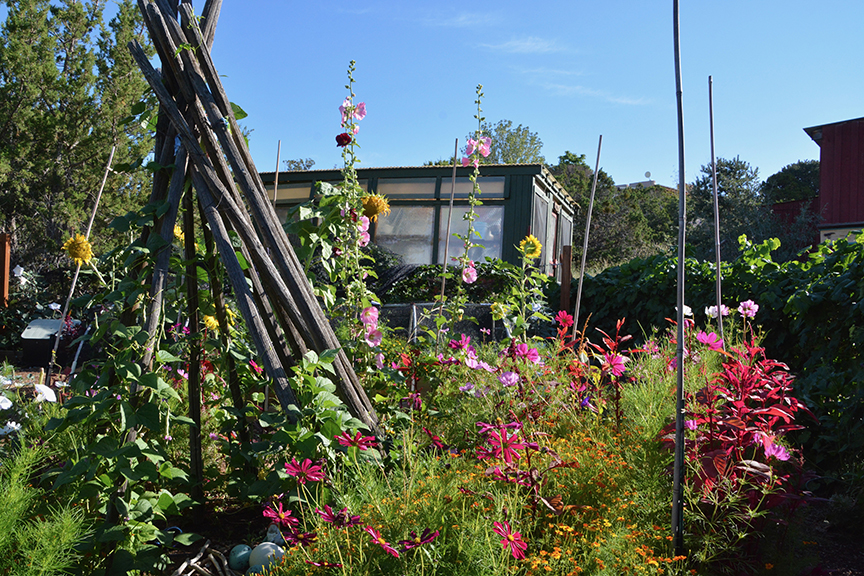
I love August. The monsoons are here to give us relief from the heat and help water the garden. I really enjoy the lightning storms at night. I got my first few tomatoes actually in July. Already harvested garlic, carrots, beets and radishes. Chard has been harvested once by taking the outer leaves only and leaving it to regrow back. Same with kale.

I will start harvest grapes, blackberries and raspberries in August. Flowers are beautiful and filling out, blossoms soon to follow. In August, harvesting tomatoes will really kick in-I’ll be headless soon. Don’t forget to keep harvesting veggies and fruits. if you stop picking, the plants think their job is over because their priory is to make seeds. I’m really enjoying the garden this year.


Cabbages will be harvest in August too. I really like the variety Kalibos shown here.


Even so, there are some tasks for us to do in our August veggie gardens.

AUGUST

Tomatoes-prune tomato plants/suckers as needed and fertilize this month.

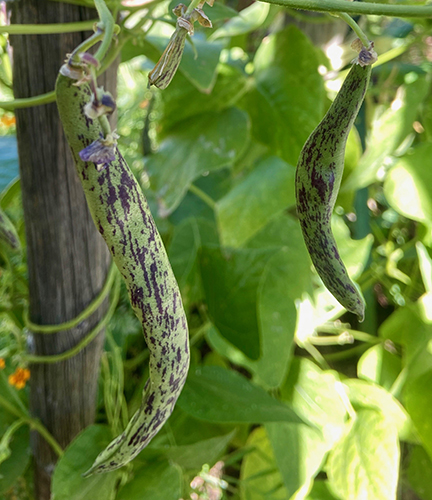
Cucumbers/beans-Train vining varieties of cucumbers and beans up a trellis.

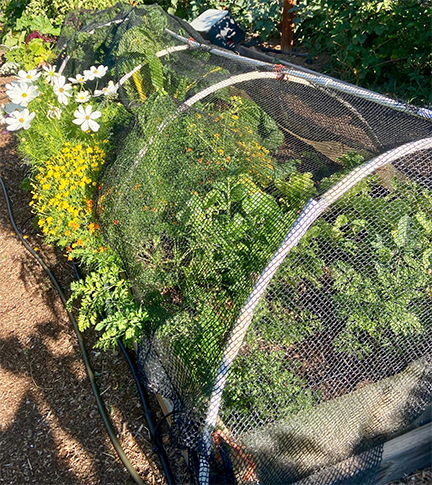
Protect your crops-Use row cover, hail netting or shade cloth against hail in case it comes. I always protect my crops now as we’ve had bad hail in the past.

Start seeds for fall crops indoors-I’ve startied lettuce and spinach in early August.

Direct seed fall crops outdoors-yes many crops can be direct seeded right now with our warm days/nights.I already planted seeds for more carrots, beets and radishes.

Check for pests-Aphids on many different plants-spray with water first and then Neem in the evening.

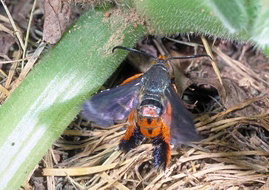
Tomato horn worms-I’ve seen the hawk (also called gypsy or hummingbird moths) out and about in the evenings but haven’t seen hornworms yet. Handpick the hornworms off the tomato plants when they arrive and put in bucket of soapy water.

Cabbage loopers on brassicas-handpick or spray with Bt.

Leaf miners in beets/chard-keep covered with row cover.

Squash bugs are here too. Be on the lookout and check weekly as squash bugs go from eggs to the dreaded gray nymphs every 7-10 days so it’s important to get them-I check plants every 7 days. Take off row cover once the female blossoms appear. So now the individual plants are uncovered. Put all adult squash bugs in bucket of soapy water, take off eggs under leaves and remove the gray nymphs and put in the soapy water also.
Rodents-This year with rats, mice, and gophers, I’m experiencing less pressure from these critters. But I think catching 3 rats in a live trap and relocating them really helped. This year with the good monsoon season going, they are not as present. I believe they didn’t have any food or water last year out in the wild but this year is better with the moisture (for everyone!)

Blackberries!

I planted a a 30′ row of ‘Triple Crown’ variety of blackberry back in spring of 2018. Triple Crown are a thornless variety which is great as blackberry thorns can really tear your hands up during harvesting and pruning. This year, 5 years later, the blackberries have gone bonkers in fruit production.


This is my first season where I will get a ton of blackberries. After all the rain since June, I am grateful to see what will be a bountiful harvest. Look how many berries there are above!

Before blackberries turn black, they are a rosy color. Even after they turn black, you want to see if it will come off easily or still hang on. To get maximum sweetness, you should wait till it comes off easily like these four blackberries.


Here are 4 berries that were ready to be picked. Look how big they were. Sweet, sweet, sweet! Can hardly wait to start really harvesting!

Warm Season Lettuces To Grow That Are Heat Tolerant

Warm Season Lettuces To Grow in Summer Heat

I use to think of growing lettuces only in the spring as a cool season crop before the heat of summer hit. But you can grow a variety of heat-tolerant lettuces in July-August that you can harvest in late September and into late October (with row cover for cold nights) and enjoy fresh salads into late fall. These summer lettuces are called Crisp or Batavian lettuces which are heat tolerant. There are many more Crisp or Batavian lettuces  than listed here. Also Romaine is more heat tolerant too. Plant these in from July-early August to harvest before it freezes. The early days to harvest are for harvesting when they are young and the latter days to harvest would be for full grown lettuce. I grow mine inside under lights to give them a head start but you could direct seed as well, just keep them well watered for germination. I plant lettuce outside under 30% shade cloth. Here are some varieties I’ve grown.


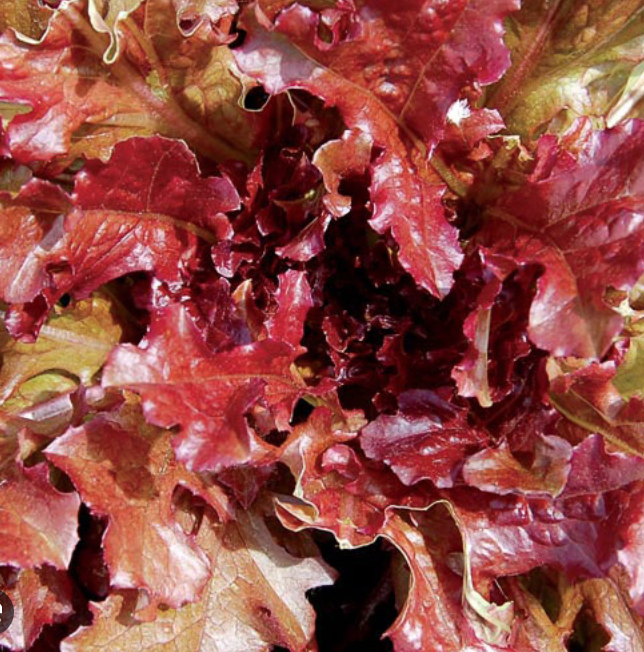
Red Salad Bowl-

A popular loose-leaf heirloom lettuce that is heat resistant. This variety is a slow bolting deep red leaf lettuce. The Red Salad Bowl has a sweet and tender flavor.
45-50 days to harvest.


Anuenue-

If you’re looking for lettuce to thrive in the heat of summer, you’ve found it. Selected at University of Hawaii for impressive heat resistance. Anuenue (AH-new-ee-new-ee) is the Hawaiian name for ‘rainbow’ and it is some of the most heat-tolerant lettuce.
55-65 days to harvest


Manoa-

A tender and buttery variety known . to be a heat-tolerant romaine summer crisp that grows well year around, even during the hot days of summer. It is a semi-heading type lettuce with extra-early maturity. Light green internal color. Recommended harvesting when heads are smaller. 50-60 days to harvest


Merlot-

Excellent bolt resistance, and good cold tolerance for a late fall to winter crop. Recommended as a cutting type for baby greens production or cut-and-come-again harvesting. Striking, deep dark red, almost purple frilly leaves. One of the darkest lettuces you can grow. The plant is nothing less than stunning. A very crisp and open headed leaf type that stands upright with a waxy shine that makes an ideal salad lettuce. 55 days to harvest


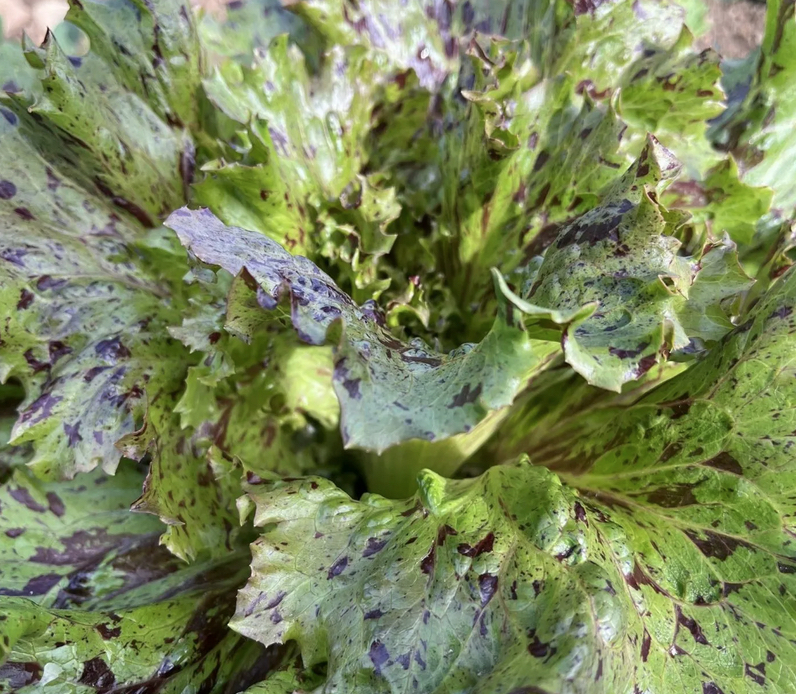
Joker-

This variety will perform well in all growing seasons and has excellent heat and cold resistance. Slow to bolt on the longest days with high heat.This crisp leaf type forms a tight, savoyed green leaves splashed with red specs,. Harvest from baby-leaf size until the heads are fully mature. 45 days to harvest


Jester-

A heat-resistant multicolored lettuce. Showy, ruffled leaves have a crisp, juicy texture. Harvest individual leaves or as dense, crunchy heads.
45 days days to harvest


Cardinale-

A red wine European Batavian type of lettuce. This french crisp Lettuce has thick, crunchy red leaves with wavy, bronze-tinted edges. Heat-tolerant, it rarely bolts.
50-60 days to harvest


Salanova Red Batavia-

This lettuce hails only from Johnny Seed and is heat tolerant. Beautiful contrast of purplish coloration at leaf tips and deep, yet bright green color at the base. Leaves are semi-savoy and scalloped.
55-60 days to harvest

Squash tips-dealing with squash vine borers and squash bugs

This is an updated and expanded post on squash bugs that I posted in 2011.

It’s squash season! I get a lot of questions about how to control squash bugs and squash vine borers. They are a veggie gardener’s nemesis. I have read and tried several things and think a few help. Here’s a list of things you might try to control squash bugs and squash vine borers.

Learn to identify squash vine borer and squash bugs


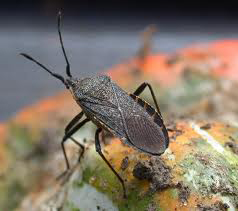
squash bug


SQUASH BUGS
Squash bugs attack both summer and winter squash. They are here now. They pierce it and suck out the juices. If left unchecked, they can take over and destroy the plant.  The key to control is catching them right away. Here are some things to try:


-Learn to identify male flowers vs female flowers on squash plants so you know when to remove row covers.

-Plant squash that is somewhat resistant to squash bugs. I’ve grown many varieties of squash but have found some seem to resist squash bugs while others attract them.

Summer squash-I grow the variety Friulana, a yellow zucchini style squash, which don’t seem to attract as many squash bugs.

Winter squash-I grow Butternuts which don’t seem to attract as many squash bugs

-Completely cover plants with med weight row cover till the female flowers appear, then remove the row cover so bees can pollinate them. Still check your plants weekly.

Squash bugs life cycle from egg to nymph is 7-10 days so keep ahead of them by inspecting every week BEFORE they hatch.

-Hand pick every 7 days and remove eggs, nymphs and adults from leaves. Put in bucket of soapy water. Then cover plants again with row cover if no flowers.

-Rotate squash into different beds every year. They may not find you. First time squash growers generally get the first year free of squash bugs. Afterward the bugs find you and the battle is on.

Plant late-like the first couple of weeks of July-you may miss their lifecycle.

Spray with Azamax which contains a Neem product that has anti-feeding properties. It helps somewhat.


squash vine borer

SQUASH VINE BORER
It comes in July. It bores into the main stem around the base of the plant to lay its eggs which then turn into larvae inside the vine and eat it from the inside. Look for sawdust like  particles around base if plant suddenly wilts. You can try to slit the vine parallel  (not across it) and dig out the grub and then tape the wound shut. It may survive.

Here are some things to try:
Once again cover them with row cover until pollination needs to happen.

Wrap aluminum foil around the base of the vine for about 12 inches to keep them from attacking the base of the vine.

Also bury the vine with dirt or mud covering the main vine.

I find keeping squash plants covered with row cover really helps in that I don’t have to battle the bugs till the flowers appear.

Cauliflower gratin-A cooking day

A cooking day-

Purple cauliflower gratin

One of my cauliflowers I picked this week was purple. Today I made a cauliflower gratin. Letting it cool now. Can’t wait to try it!


Apricot-Blueberry Claufutis

Also I made an apricot/blueberry Claufutis for dessert. The apricots were from our tree at work. The blueberries were from the store.

Growing Cauliflower

In early spring I started seeds inside for cauliflower-purple and orange varieties. I planted them outside under row cover (it was cold back then) and they loved that cool spring. I kept them under that row cover when it warmed up to keep them cooler since it is a cool season crop. Then I took off the row cover and put 30% shade cloth over them.

This week I was rewarded with 7 beautiful huge cauliflowers with no bugs. The only downside is they all were ready to pick at once. But I’ll take that!

My favorite peppers To Grow

I love growing peppers. But not the hot ones New Mexico is so famous for. Now I love NM chiles but I can buy those chiles (that is how we spell it in NM-not chilis). And not those screaming hot ones that are the latest fad for those who want to see how much heat and pain they can endure. No thank you. I like to grow other sweet varieties from Italy, and other peppers from around the world.

One of my favorites is a large cone shaped red pepper, Corno di’ Toro, which means horn of the bull. I named mine Lava Red from my friend Lava, who brought some back from Germany but didn’t know which variety of Corno di Toro they were as there are several varieties. It is 5-8″ long, and starts off green but will turn red as the season progresses. Very sweet with thick skin. We like to grill them (like our NM green chilis) to char the skin and then I peel them. I lay them flat on several layers of wax paper (separating each layer) and freeze them in freezer ziplock baggies. Then I bring out a layer at a time and put them in various dishes-pastas, salads, eggs, etc. I try to wait till they turn red but last year I had to harvest some green and they were sweet also.

Another pepper I discovered last year is called Calabrian Caviar. I got the seeds from Secret Seed Cartel online. It comes from Calabria, Italy.  It has a sweet, crisp flesh and a chili flavor without the heat. I like to stuff it with goat cheese, grilled and serve as an appetizer. I understand there is another variety called Calabrian hot pepper also. These are becoming one of my favorites.

A third variety I love is Jimmy Nardello peppers. They are a red thin-skinned pepper which is even sweeter than either of the two mentioned above. I like to grill or saute them with their skins on. In fact you can’t skin them as the skins are too thin-just eat them raw or sauteed or grilled. Sweeter than most peppers.

Here are the list of peppers I’ve grown so far and like:

PEPPERS
Lava Red– a variety of Corno di Toro or “Bull’s Horn”-sweet pepper
Calabrian Caviar-small bright red pepper hails from Calabria, Italy. Rustic and sweet.
Jimmy Nardello-sweet thin walled pepper-came to US from Italy
Piquillo Lodosa-Hails from Lodesa, Spain. It is an official Basque pepper-very sweet
Habanada-sweet (not to be confused with Habanero which is very hot-this one is not hot at all)
Shishito-not particularly sweet or hot but very tasty (used in tapas)
Poblano-mild heat-used for chili relleno

All these pepper seeds you can find online (except for Lava Red). But you can find other varieties of Corno di’ Toro peppers online.

HOT! 94 degrees today—Uggh!

This week and particularly tomorrow is HOT temperature wise. I went out a little later this am and only lasted 1 hour. Trying to get winter and summer squash seeds in their prospective beds. I had to redesign and replace the drips but I burnt out before actually getting the seeds in. So I will get up early tomorrow and finish the job-then I am done with putting in the garden! Well not exactly but should get easier. Right now there are lots of seeds out in the garden covered with row cover to keep birds/mice from eating anything as it comes up. I can water right on top of the row cover which will keep the seeds from moving around, especially flower seeds which were broadcast across an area.

Garden Lecture June 12

I’m redoing the presentation on vegetable gardening due to popular demand. If you missed it, here’s your chance to get many tips on veggie gardening.

When: Saturday June 12, 2024

Time: 6 pm to 7:30

Where: Santa Fe Public Library-community room

6559 Jaguar Dr. Santa Fe


Garden almost in…

So I hope you all have been busy planting in May and now in June. I just took the last wall of waters (WOWs) off the tomatoes as it is going to get very hot mid week and I didn’t want to fry them inside the WOWs. So I recommend you take them off as soon as possible, if you haven’t already. Typical of our weather, our outside temps go from cool to HOT very fast in June.

cool season crops

I previously planted cabbage, cauliflower, broccoli, chard, beets, carrots and radishes-all in one bed. I call it my ‘cool season’ crops bed. The french breakfast radishes we harvested yesterday but still have watermelon radishes (my favorite) almost ready to harvest. That bed has been covered in row cover to keep it cooler.

All lettuces/spinach have been harvested in the green house and the green house is now shut down for summer as it gets too hot in there. Since we had such a cool spring, they lasted much longer than I expected. A bumper crop of lettuce!

tomato cages covered with row cover.

I also covered my tomato plants with row cover around their cages to keep the beet leafhopper from biting the plants, giving them Curly Top Virus and killing them. It’s an extra step but well worth it.

I will take off the row cover when the monsoons come-usually the week after July 4 although weatherpeople say maybe the monsoons will come June 15-hopefully we will get them this year. There are tons of pics on this site of how I cover them. Go to the tomato section on the right side of the blog under vegetables.

pepper

I put my peppers in their raised bed last Friday 05-31-24 and put row cover over their frame to keep them warmer when nighttime temps drop.

I also planted seeds for all flowers in May and beans, cucumbers and summer squash this week-june 5. Winter squash seeds will go in by the weekend as soon as I finish pulling a few weeds and adding lots of compost to a newer bed as squash loves aged compost.

grape flowers

grapes forming

Meanwhile the grapes have their flowers and baby grapes started, blackberries and raspberries are growing but no fruit yet (too early) but we did get our first strawberries of this season this week-just a handful but tons more on the way. They are June bearing strawberries. I transplanted my rhubarb in early May as it was in too much shade so don’t know if I’ll get any of that this year.

The garlic and shallots I planted last fall should be ready this month to harvest.

Although only the flower seeds have germinated, all beans and cukes should germinate by next week. and the squash the week after. I can already see them in my mind’s eye…

Garden lecture tomorrow-May 11

Just to let you know I’m giving a presentation on vegetable gardening tomorrow.

When: Saturday May 11, 2024

Where: Santa Fe Fairgrounds in the extension building classroom

Time: 9:15-10:15

Be on time as it will be crowded and seating is limited.

The Extension Building is a separate building is on left as you walk towards the main buildings. Parking is in dirt lots as you drive in.

The whole garden fair will be fantastic-come all!


Rodent Control Tip

I’m a birder and we feed the birds and noticed in one of the bird seed stores that they offer a seed cylinder with hot chili flavor. I thought it was some kind of NM chili gimmick but they told me at the store that squirrels do not like hot chili but birds can’t taste heat so I bought it and it’s true! What does this have to do with vegetable gardening?

I noticed last year in my main garden, that mice came and ate holes in my sweet peppers but NOT the hot peppers I grew, so this year I will make a hot pepper solution and spray the sweet peppers with it in hopes the mice or rats will leave them alone. Maybe hot pepper solution will keep the critters off other crops as well. I have read about making hot chili spray before so this is not my idea but have never tried it and through the power of observation last year, thought I should.

I haven’t confirmed this spray yet, but am currently trying pepper solution inside my greenhouse on the lettuce. I sprayed it as I noticed something nibbled on the lettuces after we planted them. I want to see if it keeps rodents away. So far it seems to be working. I only hope the spray washes off and we can eat the lettuce when ready!


PEPPER SPRAY RECIPE

CAUTION_WEAR A MASK/GLOVES-so you don’t inhale the peppers and wash hands when done. I made a solution by buying 2 Habanero and 4 Serrano peppers and ground them in some water in my blender. I think any hot peppers will work. Then I poured them in about a gallon of water and heated it up to infuse the water. Later, I let it cooled and strained it through a fine mesh strainer that I also lined with butter muslin so only the liquid came through. I put it in a hand sprayer to use and added a couple of drops of dish soap to make it adhere to the plants more. Hope it works on all kind of veggies the mice like! I will update you how this ‘tip’ works or not in the long run.


April is here. Where have I been? Starting Plants Inside

April is here. Where have I been? I had 2 rotator cuff tendons and bicep tendon surgery on Dec 12 with the idea I will be gardening by June (and flyfishing too). The bicep tendon is attached to a bolt that was screwed into my humerus bone. It’s been a long hard recovery-I am in physical therapy since then but progress is slow, slow, slow. For awhile it felt non-existent, but I have turned a corner and am slowly getting better. For 2 months, I was in a sling but now have 2 hands to work with but still not allowed to raise my arm up over my head yet.

Progress.

And now gardening season is upon us. But I have been able to do a few things regarding gardening!

To catch up-I started in March, cool season crops inside under grow lights (with no heat) like lettuces, spinach, cauliflower, bok choi, cabbage, Chinese broccoli, herbs and beets. Many have already been transplanted to 2 1/4″ pots where they will get bigger until I transplant them outside.

The lettuce and spinach are already transplanted into my greenhouse. I opened up the greenhouse (as I had button it down in winter) but now on some days, it can get pretty warm inside so i took off the panels to let more air through the screened windows. I have 2 fans in there (on timers that turn on/off automatically) to blow the hot air out and turn off in the evening. Plus I put row cover on at nite over the lettuces/spinach to keep them from freezing. I pull it back in the day unless it is freezing inside (rarely). My cold frame got messed up in the wind so I probably won’t use it this yea or until I can fix it.

Tomato/peppers were also started inside as well in March, in germination trays on heat mats inside, under lights. I transplanted the tomato plants to 2 1/4″ inch pots where they will stay till I plant them outside sometime in May. I decided not to grow out tomato plants for other people this year.

It’s good to have 2 hands/arms available now (limited) but should be good by June.

Create a Garden Hotbed using an Old French Technique

Hotbeds have been used for hundreds of years. Hotbeds are basically the same as a cold frame, but use manure with compost as a heat source in early spring. In France, when transportation was done by horses, not cars, people would take the stall litter which was a mix of manure and straw for heat and make what is called a hotbed. They surmised the bed would get warmer as the manure decomposed and they could start some crops earlier while getting nitrogen in the soil. You can use this method in greenhouses, cold frames or poly-tunnels on top of your raised beds.

The only thing is if you use horse manure, you need to ask whoever you get it from if the hay they fed the horse wasn’t sprayed with an herbicide (like Roundup). Herbicides are weed killers. You don’t want to use any manure with an herbicide in it as it lasts for 4-6 years in the soil and will kill anything you want to grow. Basically it will ruin your bed. Having said that, our hay comes from a safe source. As a thought, you could use bagged cow manure but know that it is hotter than horse manure so it should probably age a little longer-use a soil thermometer to make sure your soil is not too hot.

Looking back in my notes, here’s what I tried in January 2020-I took out all of the soil in my center raised bed in my unheated greenhouse and put the soil on a tarp to put back in one of my other beds. I then put about 14-18″ of hot horse manure and 6 inches of straw in a wheelbarrow and mixed them up. Then put the mixture in the bottom of the bed and packed it down lightly and watered it till it was moist but not soggy. I then added 6″ of homemade compost/soil on top of that leaving a couple of inches of free space at the very top of the bed for plants. Then I watered again. A few days later, I put a compost thermometer in the bed and saw that the temperature had come up substantially deep inside in the manure/straw mix. It will get from 125°-150°F in the beginning but will come down pretty quick by the time you put your transplants in later. I didn’t take the temperature at the top compost layer but the fresh horse manure/straw mix got the compost in the top layer warm, and the 6″ of the aged compost kept it from getting too hot.

If you have a cold frame with a lid or plastic tunnel over a raised bed, you could do the same as in the top photo with spinach in it. I have one cold frame that I use in this way in the spring as well. It isn’t dug into the ground (like in the diagram above-not in my ground-too hard!)) but sits on top of the soil so I put some straw bales around the sides to add some insulation to it.

While the manure was cooking, I started lettuce/spinach seeds inside under lights (with no heat) in late January which took 3-4 weeks to get big enough to transplant in that top layer during which the soil temperature came down more as the manure mixture decomposed. Do not plant in the manure section but only the top compost/soil layer.


Once I planted them, I still had to cover the greens with medium weight row cover at night (and I double it up with layers of row cover on it if the weather was going to be very cold in the day/night (like it is now). It worked!

It was a fun project to learn how to make a hotbed and how ingenious people were in the old days!

Sleepy time for plants

When winter days are less than 10 hours a day in length, plants in the ground slow down or stop growing altogether. I’d like to think that the plants are sleeping. Eliot Coleman, who wrote The Winter Harvest Handbook, calls this time the Persephone Period. Our Persephone period here in Santa Fe is from Thanksgiving thru January 14th. What does this mean for us gardeners?

If you are thinking about transplanting plants that you started or bought into a hoop house, low tunnel or greenhouse, forget about it right now. Wait.

If you had planted greens in August for a fall harvest, you probably notice that they aren’t growing much anymore. But they should be big enough to harvest assuming you protected your cold hardy plants from our winter nights with winter weight row cover. I have 2 big cabbages still in the garden and a couple of kale that I plan to harvest this week since they won’t be getting bigger.

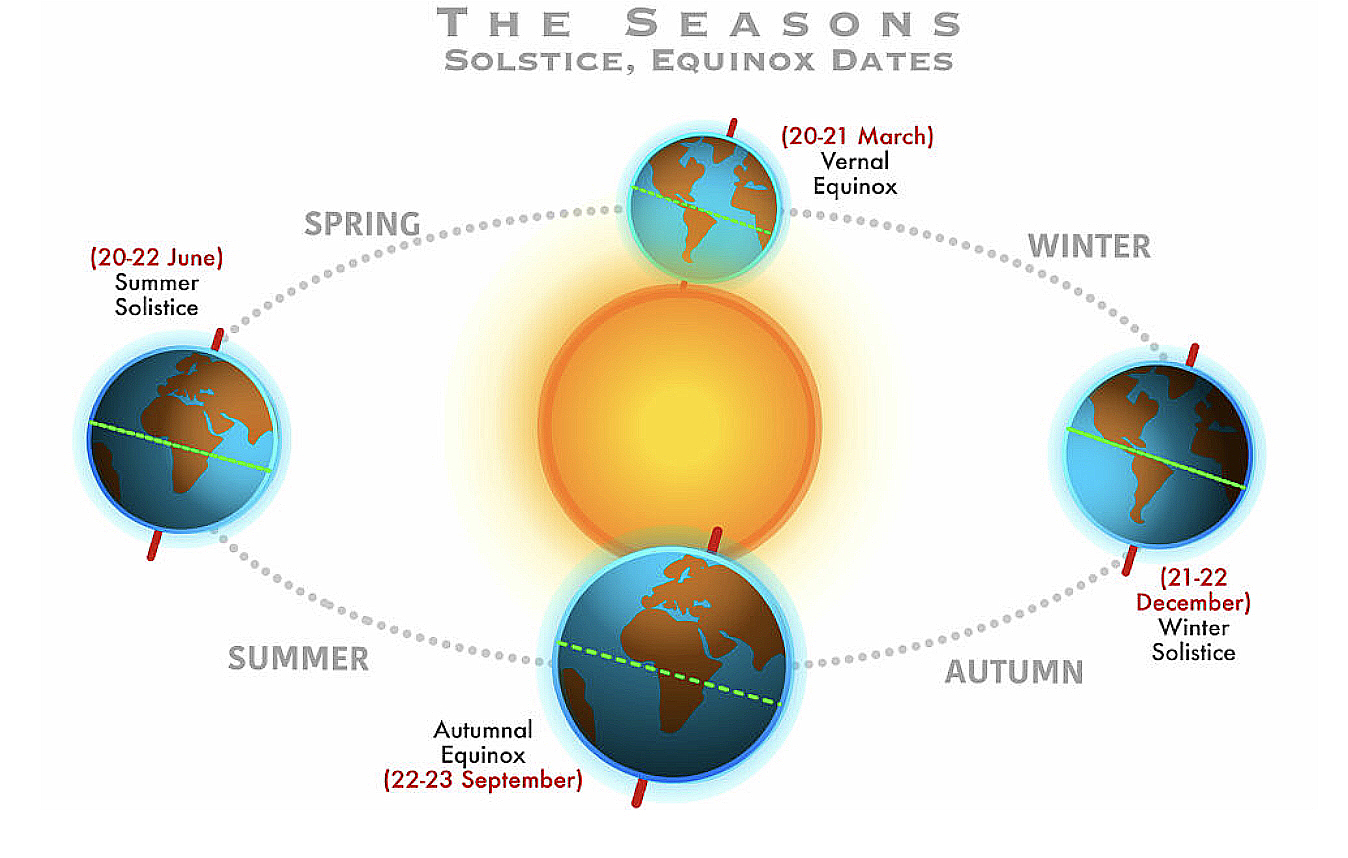
But plants that are small, will stay small now until Jan 14th when our daylight hours start to get longer again. Other parts of the country further north will have longer time periods of less light days. This has nothing to do with the Winter Solstice, which is the shortest day of the year but rather a time period of less light. After January 14th, daylight hours will start to get longer than 10 hours again. That’s when the plants wake up and start growing again.

So my recommendation is to hunker down with some good gardening books, get your gardening catalogs and plan next year’s garden (and get some rest too.)