TERROIR-what is it?
I want to explore what terroir (terr-wa) is, the history of terroir, the components of it and how it may affect the crops we grow. Other factors for me include if we can possibly influence terroir in our gardens here in New Mexico.
“Terroir” prounced ter wahr, is a French word that signifies the natural conditions like soil composition, elevation, sun exposure, climate, and other unique characteristics.
Champagne’s unique sparkling wine from its soil, Ethiopian coffee with distinct fruity notes from high altitudes, San Francisco sourdough benefiting from fog, and Alpine cheeses flavored by mountain herbs, showcasing how specific location (soil, climate, topography) shapes food and drink character beyond just ingredients. These are examples of Terroir influence.
It was originally applied to French wines. But it doesn’t have to stop at wine. This can apply to other things like cheese-for instance the soft gooey cheese called Brie comes from the area of Brie France and Camembert cheese comes from the Normandy region of France-similar but different. Sourdough bread from San Francisco, some coffees from high altitudes, other cheeses from the alps ar affected by flowers the goat ea
History
Terroir began with wine, and like so many wine-related things, over the generations, we learned more and more about how these conditions — the climate, the soil type, the elevation — shaped the resulting wines.
The concept of terroir developed over the centuries as the Benedictine monks started observing the unique characteristics of their vineyard (called microclimate.)
They noticed the distinct flavors of the wines made from the same grape variety but in different regions and started using the term to define the unique characteristics of the soils.
It is said that the monks even went as far as to taste the soils and determine if the microbes were favorable for the grapes. Not recommended!
Over time, with these observations, wineries started labeling their wines according to the area of production, giving rise to the appellation system.
Terroir And The Appellation System
Appellation systems, such as the French AOC systems and the DOC systems is for Italy have developed around the concepts of “unique wines from a unique area”. These systems have also developed into protected designation of origin across the European Union so that, for example, winemakers from outside a region like Tuscany cannot produce the wine called Chianti even though they may be in Italy and use the same grape varieties.
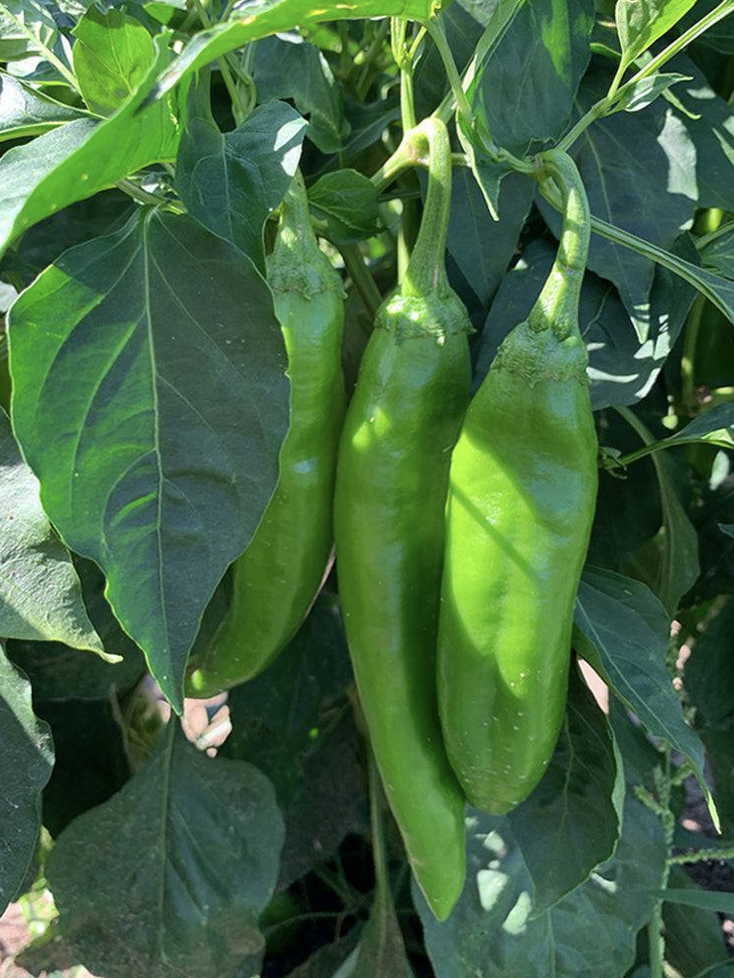
Hatch green chili-pic courtesy of Sandia Seed Company
What about Terroir in Your Garden?
Hatch Chiles are another example for me closer to home. If I grow a Hatch green chile here in New Mexico, it tastes different than that grown in Hatch, NM. as compared to us in Santa Fe- it will have certain attributes. If you grow the same chile in say New York, it won’t taste the same. We have very different soils than in NY and different climates, water, etc. Also if I grow it in southern NM or Northern NM, it will be different.
Different people have different ideas on what elements constitute terroir. Terroir includes the following four major components of terroir—climate, soil, terrain or topography and organisms in the soil. Let’s break it down:
- Climate
Climate: both macroclimate (average temperature, amount of rainfall and sunlight in a general area) refer to the climate of a particular site.
- Soil
Soil: its physical and chemical composition, pH, depth, texture, layering, origin
The unique soil composition of a vineyard adds complex flavors to the crop.
- Terrain or Topography
The region’s terrain (the elevation and steepness of the vineyard) plays a vital role in the ripening of crops
The higher the elevation, the cooler the climate, and higher sun exposure can affect crops too.
- Organisms In the garden
Local flora and fauna: aromatic compounds of the surrounding contributing to the overall taste profile. For example, different strains of yeasts yield specific and distinctive flavors that also influence the aromatic profile especially in wines, cheese and bread.
Flora and fauna (including microbes) of the region also affect the ripening periods and concentration of the flavors.
I want to include a 5th possible component
- Agricultural Practices or human factors
It relates to agricultural approach, which also includes farming practices as well, including pruning, cultivation, irrigation, and anything else that is done by the farmer while growing the crop
How a garden is farmed and cared for can have a dramatic impact on the terroir of the site. While people have little control over the weather, they have much control over what they put into and take out of the soil.
Gardeners who use chemicals such as pesticides and herbicides may have more disease-free plants, but as these chemicals leach into the ground they can also inadvertently harm or kill beneficial organisms that are vital to the ecosystem. This can lead to dead soils that don’t have enough nutrients or oxygen for the vine to thrive.
Gardeners who work organically, preserve our area’s incredible biodiversity, making for healthier plants year after year. These stewards of the land use organic compounds like manure or compost to ensure the vine has the nutrients it needs and natural methods to control pests and weeds.
How this applies to your own garden
Plants don’t grow the same in every garden. How they grow depends on your Garden Terroir. It also affects the yield you get, the flavor of the crop and much more.
Though the altitude, temperature, and precipitation may be the same in both your garden and your neighbor’s, the produce that is harvested will have different flavor profiles. The amount of sunlight and the soil type will affect the taste of your produce. Now we can’t plan for the amount of sunlight or rain our plants receive, or the altitude of your garden, or the climate in your area, all terrior components. However, there is one variable that you can control. The quality of your soil. Planting your produce in a higher quality soil will give the fruits and vegetables a very rich flavor. Your neighbors will all be wondering what makes your fruits and vegetables taste so much better than theirs.
 giantveggiegardener